Commercial Roofing in Mobile & Baldwin County, Alabama
Looking for a commercial roofing contractor on the Gulf Coast? A commercial roof failure isn't a maintenance issue — it's a revenue problem. We deliver systems built for ASCE 7 Wind Zone III, 66" annual rainfall, and Gulf Coast tropical events from 9 local offices.
- TPO, EPDM, PVC & Metal
- Wind Zone III Compliance
- Same-Day Commercial Emergency Response
- Maintenance Programs Available
What's Going On With Your Roof?
Free inspections • Same-day response • No obligation
No obligation · Licensed & insured · Same-day response
Commercial Roof Failures Cost Gulf Coast Businesses Revenue
A commercial roof failure during business hours is not a maintenance event — it's a revenue event. Water intrusion from a failed commercial membrane during a Gulf Coast thunderstorm forces facility closures, triggers business interruption claims, damages inventory, destroys equipment, and creates liability exposure for injuries on wet floors. In Mobile County and Baldwin County, where 66 inches of annual rainfall arrives in concentrated events with intensity rates of 4–6 inches per hour, a commercial roof with any vulnerability in its membrane system, drainage design, or penetration details is not a question of whether it will fail — it's a question of when.
Deferred Commercial Roofing Maintenance Costs 3–5x More Than Prevention
Commercial property managers who defer roof maintenance until failure pay 3–5x the cost of proactive intervention. A $1,500 annual maintenance program that identifies and re-seals failing penetration flashings and recoats worn seams routinely extends commercial membrane life by 5–8 years. A neglected roof that fails mid-way through its service life doesn't just require replacement — it requires emergency replacement on a timeline the building's budget and schedule didn't plan for, often combined with interior damage remediation, temporary relocation costs, and insurance claims with deductibles. The return on commercial roof maintenance in Gulf Coast conditions is among the clearest capital expense decisions a facilities manager can make.
Commercial Roofing Systems Designed for Wind Zone III Compliance
As a licensed and insured commercial roofing contractor serving both Mobile County and Baldwin County, we approach commercial roofing as a revenue protection problem, not just a construction project. Our roofers deliver roofing services for every commercial building type — from retail centers to industrial warehouses. This roofing company has handled commercial projects across the Gulf Coast since 2018. Contact us for a free roof inspection of your commercial property. That means wind uplift calculations to ASCE 7 Wind Zone III (140–160 mph design wind speeds); drainage design for Gulf Coast rainfall intensity rather than national average parameters; FM Global compliance capability for properties requiring it; phased installation to minimize business disruption; and after-hours and weekend work for tenants and operations that can't accommodate daytime roofing. We've handled commercial roofing from small retail strip centers to large-footprint industrial facilities across both counties. The process is the same: wind-rated, properly drained, and done with minimal disruption to the business operating below.
Commercial Roofing Options for South Alabama Properties
- TPO (heat-welded, reflective)
- EPDM (rubber membrane)
- PVC (chemical-resistant)
- Commercial standing seam metal
- Modified bitumen
- Maintenance programs
TPO (Thermoplastic Polyolefin)
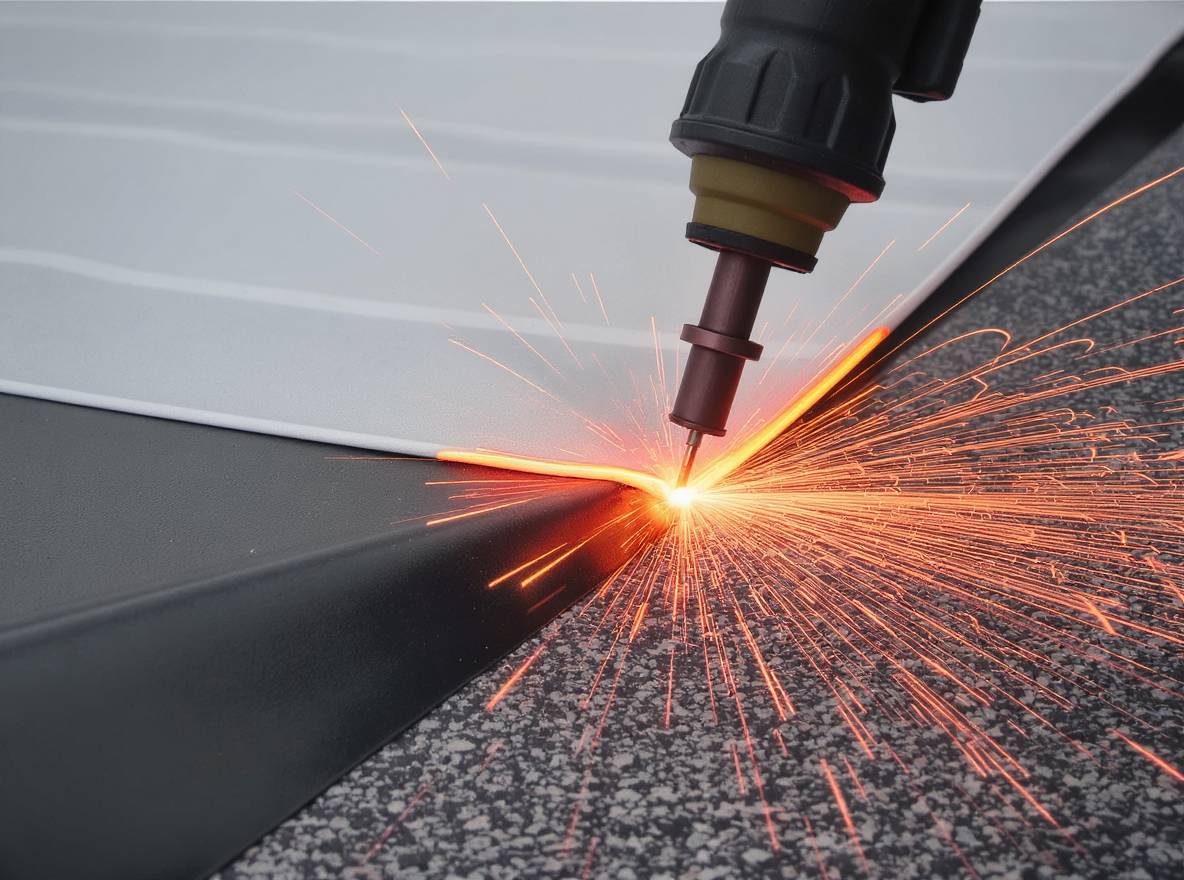
TPO is the most widely installed commercial flat roofing system in the United States and the most appropriate choice for most Gulf Coast commercial buildings. The white reflective surface significantly reduces cooling load — in a climate where commercial buildings spend June through September fighting 95°F exterior temperatures, TPO's reflectivity is a direct operating cost benefit. Heat-welded seams create bonds stronger than the membrane itself, eliminating the adhesive failure mode that plagues older built-up and modified bitumen systems. 60-mil TPO (required for commercial warranty programs — we don't install 45-mil) handles the UV cycling and thermal movement of coastal Alabama over a 20–25 year service life. See our TPO Roofing page for full specification details.
EPDM (Synthetic Rubber)
EPDM rubber membrane has decades of proven performance on commercial low-slope applications and remains appropriate for budget-sensitive projects where reflectivity is not the primary driver. EPDM's UV resistance is excellent; its vulnerability in Gulf Coast conditions is ponding water tolerance and the heat absorption of its black surface. Reflective EPDM coatings address the thermal issue. Fully adhered EPDM on mechanically fastened insulation is the correct specification for Wind Zone III — ballasted EPDM (used in lower-wind markets) is not appropriate for Gulf Coast commercial buildings. See our EPDM Roofing page for details.
PVC (Polyvinyl Chloride)
PVC is the correct specification for commercial buildings with chemical exposure risk. Restaurants with grease-laden exhaust, industrial facilities with solvent exposure, commercial kitchens, and any building where roof-side chemical contact is possible need PVC — TPO and EPDM are degraded by oils and chemicals that PVC resists. PVC is also the strongest single-ply membrane for puncture resistance, making it appropriate for roofs with heavy foot traffic or equipment service access. See our PVC Roofing page for details.
Commercial Metal Roofing
Commercial standing seam and structural metal roofing provides the longest service life of any commercial roofing system — 35–50 years — with the highest wind resistance. Appropriate for commercial buildings where long-term total cost of ownership matters more than upfront cost, and for buildings in high-wind coastal exposure zones where membrane systems face more challenging uplift conditions. See our Commercial Metal Roofing page for specification details.
Wind Zone III Roofing Requirements Every Commercial Property Must Meet
Both Mobile County and Baldwin County are in ASCE 7-16 Wind Zone III — design wind speeds of 140–160 mph depending on proximity to the Gulf Coast. This places more demanding requirements on commercial roofing systems than most of the country. FM Global compliance (FM 1-90 minimum for most buildings in our market) requires specific fastening patterns for insulation board, specific membrane attachment densities, and edge metal to ANSI/SPRI ES-1 standard. We design and install to these requirements on every commercial project.
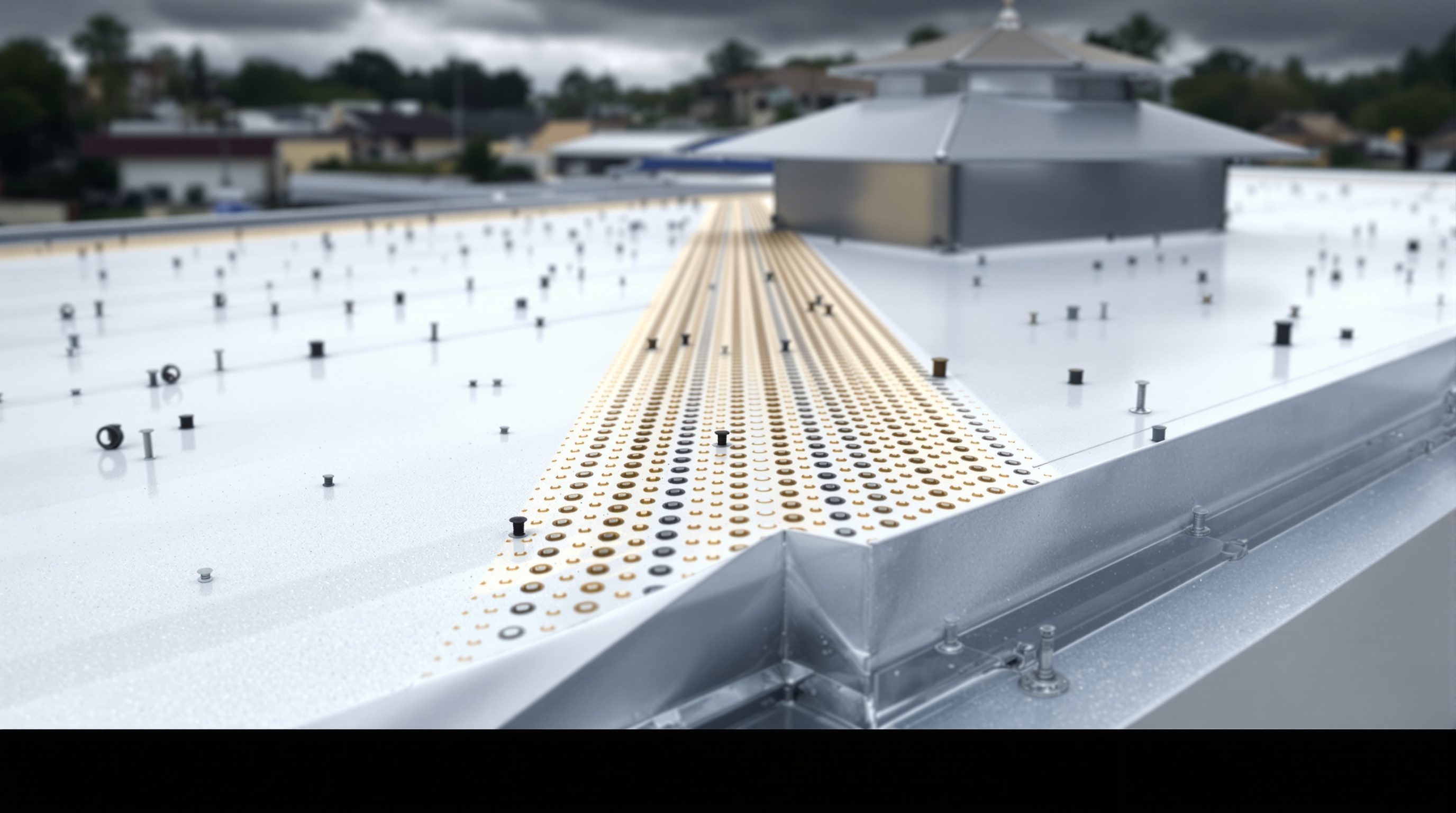
The most common Wind Zone III compliance gap we find on existing commercial buildings: insulation board fastening that was installed to manufacturer minimums rather than wind zone requirements. Insulation board that pops off the deck in a 130+ mph event takes the membrane with it. After Hurricane Sally and Hurricane Katrina, commercial buildings with under-fastened insulation showed dramatically higher envelope damage than buildings installed to FM 1-90 or better. We evaluate existing commercial roofs for uplift compliance as part of pre-hurricane season maintenance inspections.
Commercial Roofing System Comparison — Cost, Lifespan, and Best Use
| System | Installed Cost/Sq Ft | Lifespan (Gulf Coast) | Best For |
|---|---|---|---|
| TPO 60-mil | $6.50–$9.50 | 20–25 years | Most commercial buildings — best energy efficiency |
| EPDM 60-mil | $5.50–$8.50 | 20–30 years | Budget-sensitive projects, good UV resistance |
| PVC 60-mil | $7.00–$10.50 | 20–25 years | Chemical exposure (restaurants, industrial) |
| Commercial Metal | $12.00–$18.00 | 35–50 years | Long-term ownership, highest wind resistance |
| Modified Bitumen | $5.00–$8.00 | 15–20 years | Smaller sections, phased replacement |
Installed costs include tear-off, insulation board, membrane, and all accessories. Gulf Coast-specific wind uplift requirements may increase costs 10–20% over national averages. Written per-square-foot estimates provided on all projects.
The Commercial Roof Replacement Process in Mobile & Baldwin County
- 1
Commercial Roof Assessment
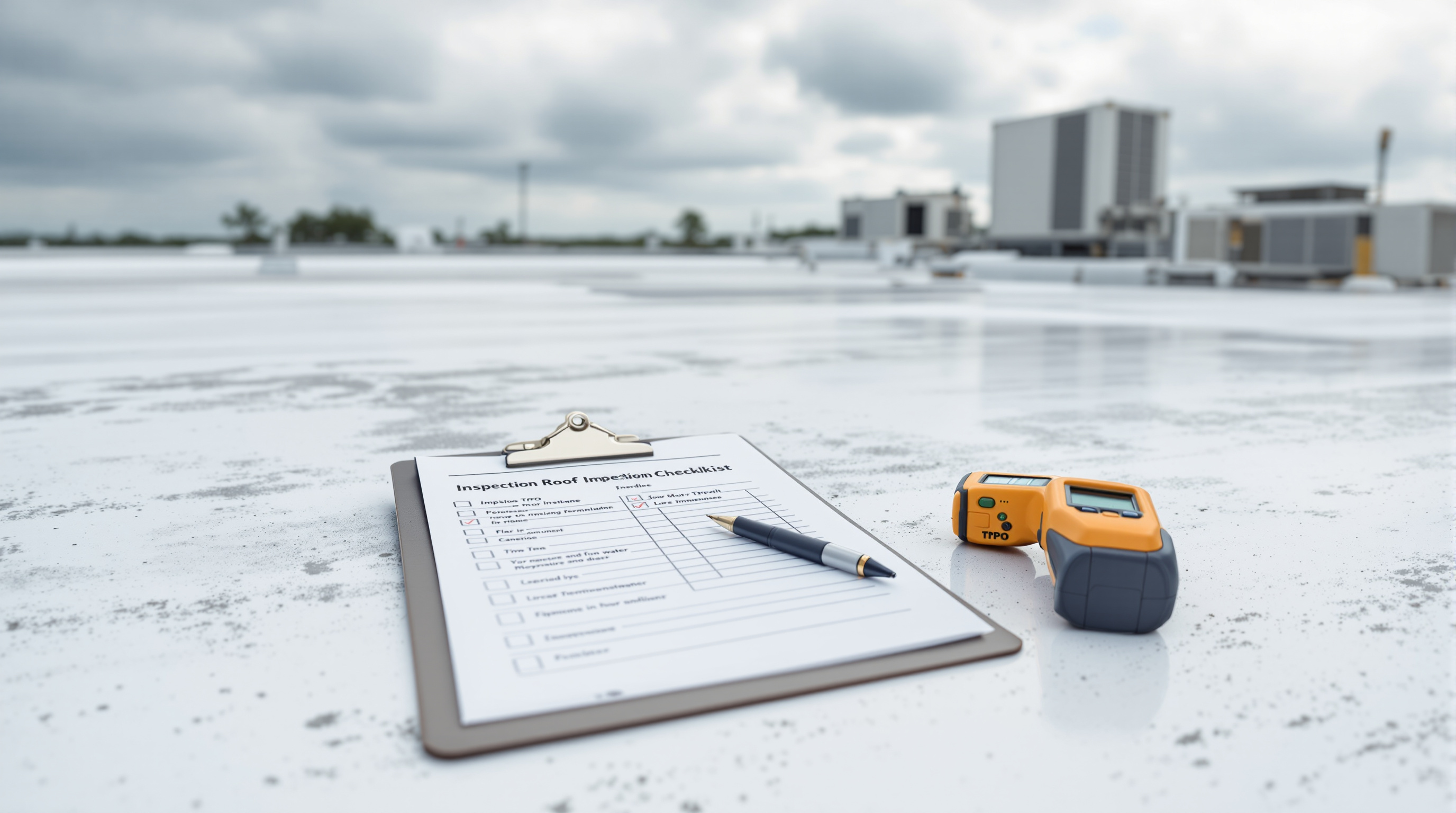
We walk the existing roof, assess membrane condition, drainage adequacy, penetration details, and insulation attachment. For buildings where the replacement vs. restoration decision isn't obvious, we recommend infrared scanning to identify moisture-saturated insulation. Written assessment with condition documentation and replacement or restoration recommendation.
- 2
System Specification & Wind Uplift Design
System selection based on building use, wind zone, drainage, and ownership horizon. Wind uplift calculations per ASCE 7-16 determine fastening density for insulation board and membrane. FM Global compliance plan if required by your carrier. Written specification and per-square-foot estimate before any contract.
- 3
Pre-Construction Meeting & Schedule
For occupied buildings, a pre-construction meeting with your facilities manager covers scheduling, access, noise windows, HVAC protection, staging locations, and communication protocols. We never start a commercial project without a confirmed disruption mitigation plan.
- 4
Phased Installation
Work proceeds in sections sized to maintain building waterproofing at all times. No more than one section is open at once, and no section is left exposed to weather at end of day without temporary protection. HVAC and mechanical systems remain operational throughout.
- 5
Inspection, Warranty Registration & Maintenance Plan
Third-party inspections where required. Manufacturer warranty registration. Our 2-year workmanship warranty. Maintenance program recommendation with annual and semi-annual options. Complete project documentation for your facilities file.
- TPO, EPDM, PVC, and commercial metal — matched to building use and budget
- Wind Zone III compliance on every project — 140–160 mph design speeds
- Phased installation minimizes business disruption — after-hours available
- Maintenance programs extend roof life 5–8 years at $0.08–$0.15/sq ft annually
Commercial Roofing Maintenance — Extend Roof Life by 5–8 Years
A properly maintained commercial membrane roof in Gulf Coast conditions lasts 20–25 years. A neglected one fails in 12–15 years — often at the worst possible time, without a capital budget prepared for the replacement. Our maintenance programs are the most cost-effective capital expense a commercial property owner can make on their building's envelope.
Standard annual program includes: biannual inspection (spring before hurricane season and fall after), cleaning of drains and scuppers (critical in our leaf and debris environment), resealing of flashings and penetration terminations, documentation of any membrane condition changes, and priority scheduling for emergency repairs. Program pricing: $0.08–$0.15/sq ft per year depending on roof type and complexity. A 10,000 sq ft facility pays $800–$1,500 annually — recoverable in extended roof life within 3–5 years.
For properties with active maintenance agreements, we provide same-day dispatch for emergency calls placed before 2pm Monday through Saturday. Emergency response for commercial customers without maintenance agreements is typically 24–48 hours for urgent situations. See our full Commercial Roof Maintenance Programs page for program details and pricing.
A Commercial Roofing Contractor Built for Gulf Coast Demands
Wind Zone III Compliance — Not Optional
Every commercial roof system we install meets ASCE 7 Wind Zone III requirements — 130–160 mph design speeds. We calculate fastening densities, edge metal, and insulation attachment for this specific wind zone from the specification stage. National-average standards are not adequate for Mobile County or Baldwin County commercial buildings. After Hurricane Sally, buildings fastened to minimum manufacturer specs — rather than wind zone requirements — showed dramatically higher envelope damage.
Minimal Business Disruption — Phased Installation
We phase installation around your operations — no full-building shutdowns. Work proceeds in sections so no more than one area is exposed at a time. After-hours and weekend scheduling keeps daytime business running. HVAC and mechanical systems stay operational throughout. Every occupied-building project starts with a pre-construction meeting covering scheduling, access, noise, staging, and communication — so there are no surprises while your business operates below.
FM Global Compliance Capability
FM-approved systems and installation methods for properties with FM Global insurance requirements. We design to FM 1-90 standards — the appropriate rating for most commercial buildings in Gulf Coast Wind Zone III. If your carrier requires FM compliance or you want FM-rated installation regardless of insurer, we handle the specification, documentation, and installation to meet those standards. This includes specific fastening patterns for insulation board, membrane attachment density, and ANSI/SPRI ES-1 edge metal.
Local Crews for Faster Response
Offices across Mobile & Baldwin County — emergency response when interior damage is in progress. Commercial properties with active water infiltration are our highest priority after major storm events. Local proximity translates directly to response time — maintenance agreement customers get same-day dispatch for emergencies called in before 2pm. We dispatch the closest crew to your facility, not a crew driving in from three counties away.
Commercial Roofing Results — Property Owner Experiences
"We have three commercial properties in Baldwin County. Southern Roofing handles all three on annual maintenance contracts. They find and fix things before they become expensive problems. We haven't had an emergency call in two years, which used to be a regular occurrence."
"After Sally, we had active water intrusion in two sections of our retail center. They had emergency tarps on both sections within 36 hours and permanent TPO repairs completed inside two weeks. Nobody closed, nobody relocated. That's business continuity."
"They scheduled the replacement in two phases — north half in week one, south half in week two — so the restaurant stayed open through the whole project. That kind of coordination matters when you can't close for three days."
Commercial Roofing Questions for Gulf Coast Property Managers
All three are single-ply membrane systems for low-slope commercial roofs with distinct characteristics for Gulf Coast conditions. TPO is heat-welded, energy-efficient due to its white reflective surface, and well-suited to Gulf Coast heat — most installed commercial flat roofing system in the U.S. EPDM is a synthetic rubber with excellent UV resistance and lower upfront cost, but its black surface absorbs heat — a penalty in coastal Alabama summers unless a reflective coating is applied. PVC is the best choice for buildings with chemical exposure — restaurants, industrial, and commercial kitchens — because it resists oils and chemicals that degrade TPO and EPDM.
TPO (60 mil) installed: $6.50–$9.50/sq ft. EPDM (60 mil): $5.50–$8.50/sq ft. PVC (60 mil): $7.00–$10.50/sq ft. Commercial standing seam metal: $12.00–$18.00/sq ft. A 10,000 sq ft building runs $65,000–$105,000 for TPO replacement. Gulf Coast Wind Zone III requirements (higher fastening density, edge metal) typically add 10–20% to national average costs.
Expected lifespans with proper maintenance: 60-mil TPO, 20–25 years; 60-mil EPDM, 20–30 years; 60-mil PVC, 20–25 years; BUR (built-up roofing), 15–20 years; modified bitumen, 15–20 years; commercial standing seam metal, 35–50 years. Ponding water is the number one commercial flat roof failure driver — annual drain cleaning and drainage corrections extend system life by 5–8 years.
Yes. For occupied commercial buildings, we sequence work in sections so no more than one portion is exposed at a time. After-hours and weekend work is available for businesses where daytime roofing would disrupt operations. We coordinate staging to keep rooftop HVAC and mechanical systems operational throughout. A pre-construction meeting covers scheduling, access, noise restrictions, staging, and communication so there are no surprises during the project.
Restoration is a legitimate option for commercial membranes that are structurally sound but have surface degradation. Silicone coating systems can extend roof life 10–15 years at roughly 30–50% of full replacement cost. Qualification criteria: no saturated insulation (requires IR scan), seams and flashings in restorable condition, adequate drainage. We provide a written assessment of whether your specific roof is a restoration candidate before recommending either path.
Commercial Roofing Services Across Mobile & Baldwin County
Baldwin County
Protect Your Business from the Next Gulf Coast Storm
Commercial roof failures are revenue problems. We solve them with systems built for Wind Zone III, Gulf Coast rainfall, and long-term business continuity. Get a written assessment — no obligation.
Same-day response · Licensed & Insured · Wind Zone III compliant