Gulf Coast Roofing Conditions That Shorten Every Roof's Lifespan

Most homeowners don't think about their roof until water is coming in. In South Alabama, that's a costly way to learn. As a licensed and insured roofing contractor serving both Mobile County and Baldwin County, we see the consequences of this climate daily. These counties average 66" of rain per year — nearly double the national average — and sit in ASCE 7 Wind Zone III, with design wind speeds of 140–160 mph along the coast. Shingles that perform fine in Huntsville or Birmingham fail years earlier here. Salt air within 20 miles of the coastline accelerates corrosion. Humidity keeps moisture in your attic and under your shingles year-round. An aging roof in this climate isn't just inconvenient — it's a liability. Schedule a free roof inspection to understand where your roof stands before the next storm season.

The True Cost of Delaying a Roof Replacement in South Alabama

A roof past its useful life in Gulf Coast conditions deteriorates faster than homeowners expect. Standard architectural shingles last 18–25 years in the national average climate. In our specific combination of UV intensity, tropical rainfall events, salt air, and hurricane-force wind cycles, the honest lifespan is 15–22 years — and every year past that is borrowed time. Nail pops from wind uplift create hidden entry points that only show up as ceiling stains months later. Granule loss exposes the asphalt substrate to direct UV, which makes shingles brittle and prone to cracking. OSB decking that gets wet and dries repeatedly — which happens every rainy season in an imperfect roof — delamminates and loses structural integrity. What starts as a $1,500 repair window closes quickly. Homeowners who delayed after Hurricane Sally in 2020 found their repair estimates doubling as hidden deck damage was uncovered during the project.

GULF COAST FACT
Asphalt shingles rated for 25-30 years nationally last only 15-22 years on the Gulf Coast due to extreme UV, salt air, and 66 inches of annual rainfall.

Roof Replacement Engineered for 140–160 mph Wind Zones

We don't chase storms. We build roofs that survive them. Every roof replacement we do is engineered for the specific conditions of Mobile County and Baldwin County — proper nail patterns for 130+ mph wind zones, drip edge that handles our rainfall intensity, underlayment rated for the UV exposure of coastal Alabama, and materials specified for salt air proximity. As a roofing company serving the full Gulf Coast, we've been completing roof replacement projects across both counties since 2018, and we'll be here when your roof needs attention five years from now. Our roofers know these conditions firsthand. That's what separates a local roofing contractor from the out-of-state storm chasers who show up after hurricanes and disappear six months later.

Every Step of a Full Roof Replacement — From Tear-Off to Final Inspection

Complete Tear-Off and Deck Inspection

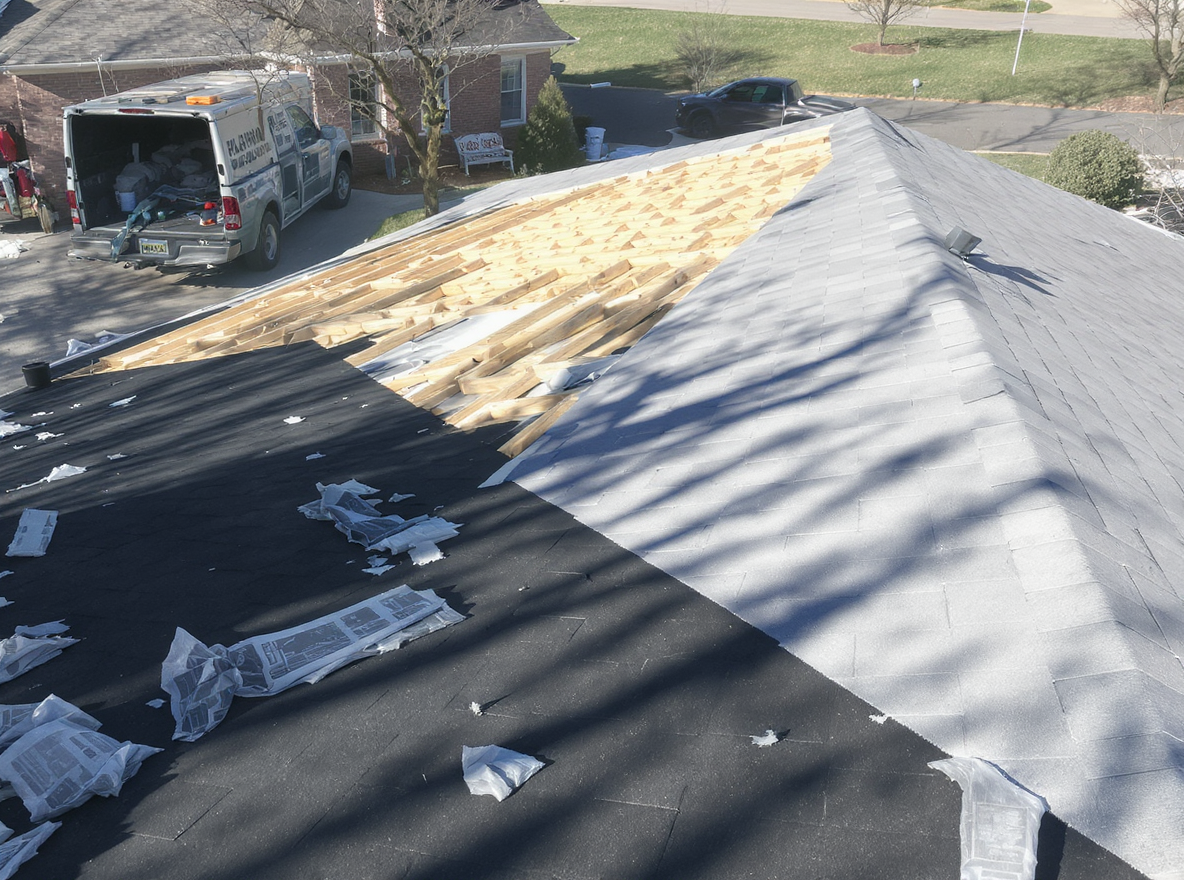
A complete tear-off starts at the bottom of the roof system and works up. We remove all existing shingles, ridge cap, and starter strips. The entire deck is inspected — every sheet of OSB or plywood is checked for softness, delamination, and moisture damage. Damaged decking is replaced before anything goes on top of it. This is not optional and it's not upsold — it's the correct way to do a replacement in a climate where hidden deck deterioration is common.

Roof replacement tear-off in progress on a residential home in Mobile County Alabama with roofing contractor crew removing aged three-tab asphalt shingles to expose weathered felt underlayment and OSB decking beneath, preparing the sealed roof deck surface for synthetic underlayment installation in Gulf Coast Wind Zone III where 140 to 160 mph rated systems and six-nail patterns are required for hurricane resistance across South Alabama

Underlayment and Weather Barrier Installation

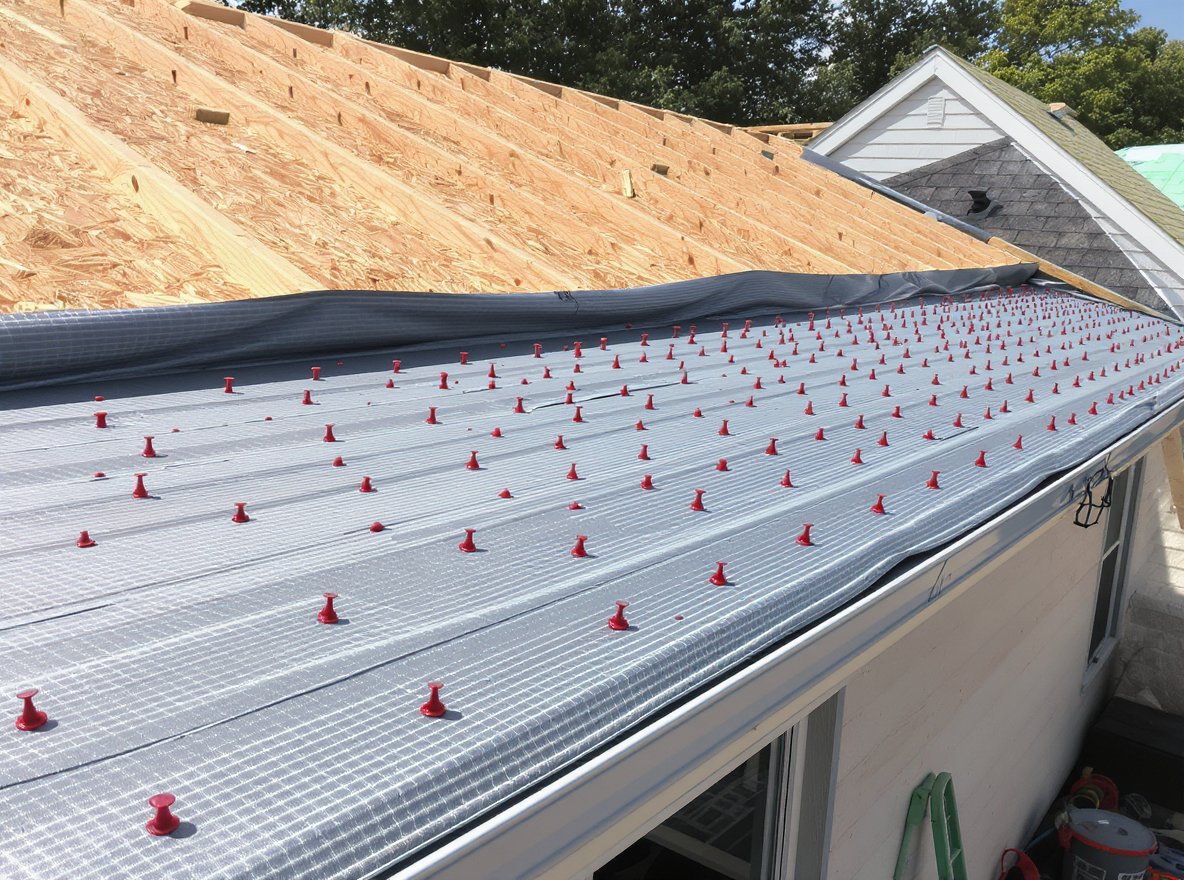
Underlayment selection matters more in South Alabama than most contractors acknowledge. We install synthetic underlayment rated for high-temp exposure (our attics regularly exceed 160°F in summer) and proper UV resistance for the extended exposure windows that happen during phased installation. At eaves and rakes, we install peel-and-stick self-adhering membrane — this is the detail that keeps water out when wind-driven rain gets under shingles during a tropical event. Valley flashing is installed to handle our rainfall intensity: 4–6 inches per hour at 10-year storm frequency in Mobile.

Synthetic underlayment being rolled across plywood roof decking during a residential roof replacement in Baldwin County Alabama with red plastic cap nails securing the weather barrier and galvanized metal drip edge installed at the eave line, a critical step before architectural shingle installation that protects against wind-driven rain infiltration in Gulf Coast conditions with 66 inches of annual rainfall

KEY FACT: In Gulf Coast wind zones, proper nail patterns and peel-and-stick membrane at eaves add $800–$2,500 to a standard roof replacement — but prevent the wind-driven rain failures that cause thousands in interior damage.
Flashing is where most roof failures start, and it's where we spend disproportionate attention. Every pipe boot, chimney, skylight, and HVAC curb gets new step flashing and counter-flashing. We don't reuse old flashing on new shingles — the sealant bonding and metal condition of 15–20 year old flashing is incompatible with a 25-year shingle warranty. Every penetration gets a new EPDM pipe boot with neoprene collars sized to the pipe diameter. Drip edge is installed at all eaves and rakes to the proper overhang specification.

Roofing Materials Built to Last in Coastal Alabama

Every property and every budget is different. Here's the real breakdown for Gulf Coast conditions. Our roofing services cover every material type suited to this climate:

  • Architectural shingles (Class 4 impact)
  • Standing seam metal roofing
  • Stone-coated steel panels
  • Concrete and clay tile
  • FORTIFIED Roof upgrades
  • Full tear-off and deck replacement

Architectural Shingles

Lifespan: 18–25 years in our climate

Class 4 impact-rated architectural shingles in 130+ mph wind ratings are the right-size solution for most Gulf Coast homes. They cost less than metal upfront, perform well against hail, and are the correct baseline for FORTIFIED Roof upgrades. Brands we install: GAF Timberline HDZ, CertainTeed Landmark, Owens Corning Duration.
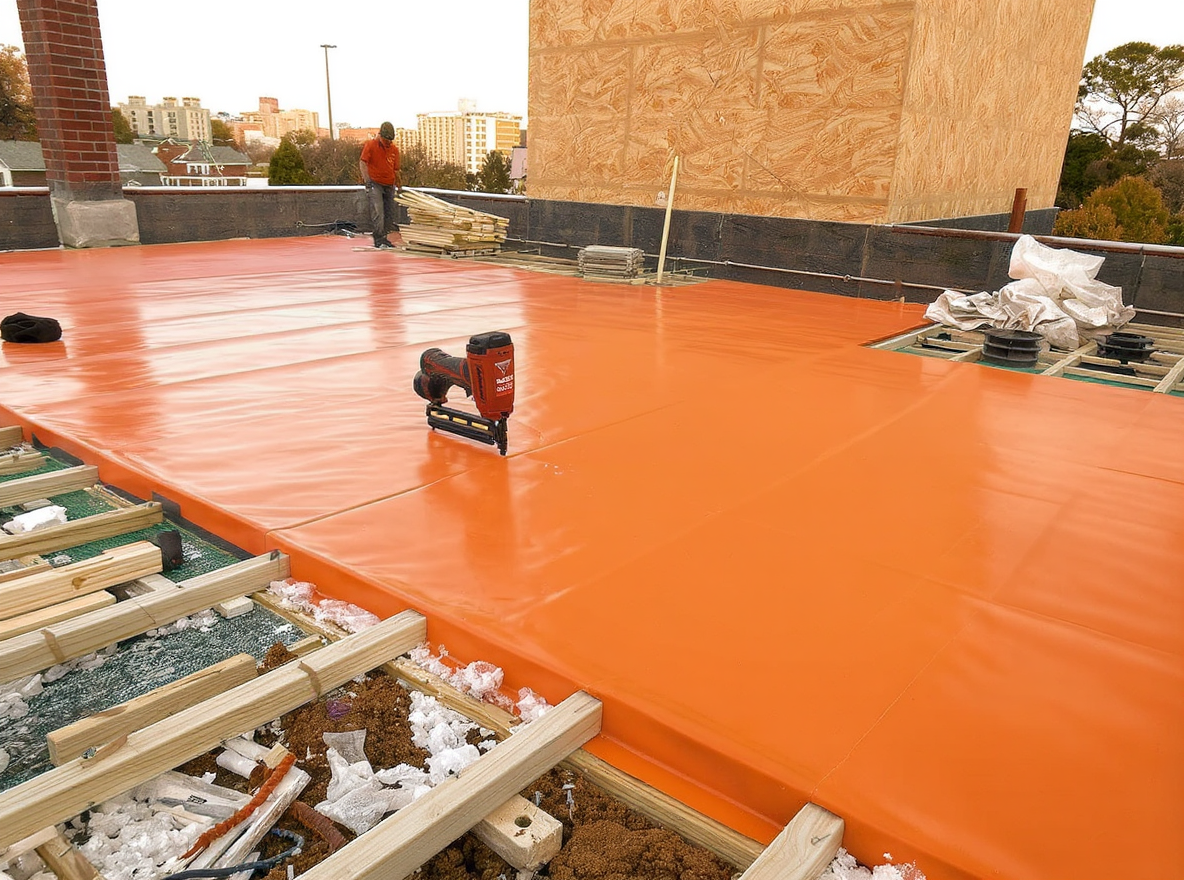
Standing Seam Metal

Lifespan: 40–60 years in our climate

The strongest long-term choice for Gulf Coast conditions. Concealed-fastener standing seam eliminates the screw-hole vulnerability of exposed-fastener panels, handles salt air with proper Galvalume Plus and PVDF coating, and qualifies for FORTIFIED Roof designation with 15–45% insurance savings. Higher upfront cost, significantly lower 40-year total cost.

Stone-Coated Steel

Lifespan: 35–50 years in our climate

Metal performance with a traditional shingle, shake, or tile aesthetic. Good option for homeowners who want the lifespan and wind resistance of metal without the industrial standing-seam look. Class 4 impact rating. Performs well in coastal environments when proper coating is specified.

Concrete & Clay Tile

Lifespan: 30–50 years in our climate

Appropriate for Mediterranean and Spanish Colonial styles common in coastal Baldwin County. Excellent thermal mass for coastal heat. Requires structural reinforcement (tile weighs 9–12 lbs/sq ft vs. 2–3 lbs for shingles). Harder to repair post-storm — individual tile matching becomes difficult as product lines change.

National shingle lifespan 25–30 years
vs.
Gulf Coast shingle lifespan 15–22 years

The Roof Replacement Process — Start to Finish in Mobile & Baldwin County

  1. Free Inspection & Written Estimate

    We inspect the full roof system — surface, deck, attic side, all penetrations and flashings. You get a written estimate with line-item breakdown of materials, labor, permit fees, and disposal. No vague ranges. No pressure.

  2. Material Selection & Scheduling

    We walk through material options with specific cost and lifespan data for Gulf Coast conditions. If you're pursuing a FORTIFIED Roof upgrade or SAH grant, we initiate that paperwork before the project starts. You get a confirmed start date with a weather window review.

  3. Complete Tear-Off & Deck Inspection

    Full removal of all existing roofing material. Every deck board is inspected and any damaged sections are replaced before new material goes down. We protect your landscaping with tarps and use magnetic nail sweepers on cleanup.

  4. Installation to Gulf Coast Specifications

    Underlayment, peel-and-stick ice-and-water at eaves and rakes, new flashing at all penetrations, starter strip, field shingles, ridge cap — all installed to the nail pattern and overlap specifications for our 130–160 mph wind zone. If FORTIFIED, the evaluator is scheduled before we leave the site.

  5. Final Inspection & Warranty Documentation

    We walk the completed roof with you, document the finished project, and provide your material warranty paperwork and our 5-year workmanship warranty in writing. If you pulled permits, the inspection is scheduled and we're on-site for it.

Quick Scan: Roof Replacement Process
  • Free inspection with written line-item estimate — no obligation, no pressure
  • Complete tear-off with full deck inspection — damaged OSB replaced before new material
  • Wind Zone III nail patterns and peel-and-stick membrane at eaves and rakes
  • FORTIFIED upgrade available during replacement — 15-45% insurance savings

What Sets This Roofing Contractor Apart on Roof Replacements

01

Gulf Coast-Specific Installation Standards

Our nail patterns, underlayment specs, and flashing details are calibrated for ASCE 7 Wind Zone III conditions — not national average standards. There's a meaningful difference between a roof installed to generic specs and one installed specifically for 140–160 mph design wind speeds.

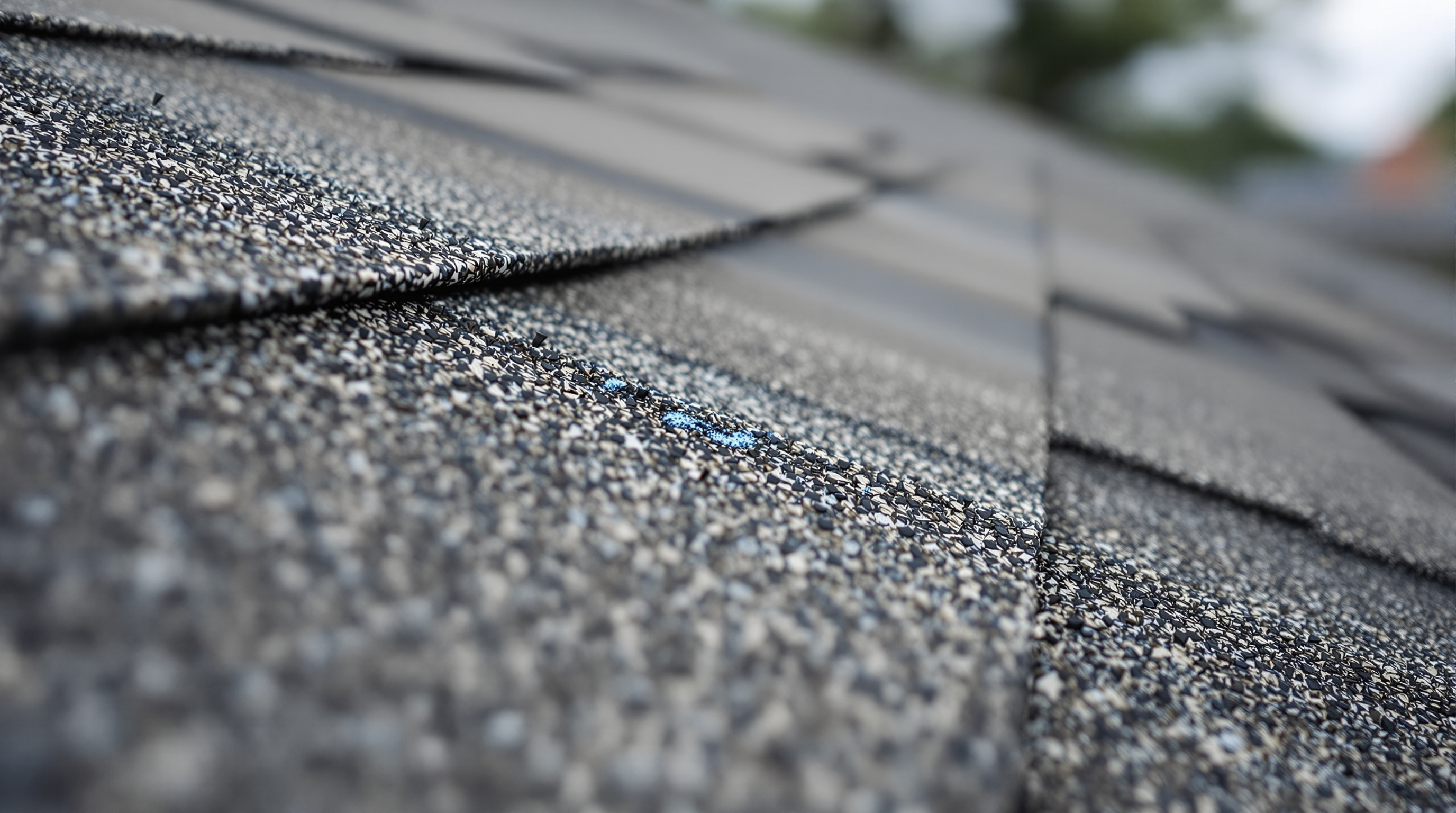
6-nail patterns on every shingle — it's code in Wind Zone III: This single detail is the difference between shingles that hold in a Category 2 event and shingles that end up in your neighbor's yard.
Close-up detail of newly installed dimensional architectural shingles on a Gulf Coast home showing the six-nail pattern required for ASCE 7 Wind Zone III compliance in Mobile and Baldwin County Alabama, with each shingle fastened to withstand 140 to 160 mph wind uplift forces during hurricane season, demonstrating the roofing contractor standard that separates storm-ready roof replacement from generic installation
02

FORTIFIED Roof Expertise

We're FORTIFIED Roof specialists. If you're pursuing the insurance savings available to Alabama homeowners through the IBHS FORTIFIED program, we handle the upgrade details during your replacement, coordinate the independent evaluator inspection, and assist with the SAH grant application process.

15–45% insurance savings with FORTIFIED designation: Done during replacement, the upgrade adds $500–$1,500 — and the SAH grant covers up to $10,000 of the cost.
FORTIFIED sealed roof deck membrane being applied with self-adhering polymer-modified bitumen tape along deck edges and penetrations during a full roof replacement on a South Alabama residential property, the critical secondary water barrier that earns IBHS FORTIFIED designation and delivers 15 to 45 percent insurance savings for homeowners in Mobile County and Baldwin County hurricane zones
03

Written Line-Item Estimates

Every estimate includes a line-item breakdown: square footage of materials, linear footage of flashings, disposal fees, permit costs, and labor. You know exactly what you're paying for before any work begins. If the deck inspection finds damage, we document it photographically and present the additional cost before proceeding.

Every material, every labor line, every cost — in writing before work begins: No vague ranges, no surprises, no change orders you didn't approve.
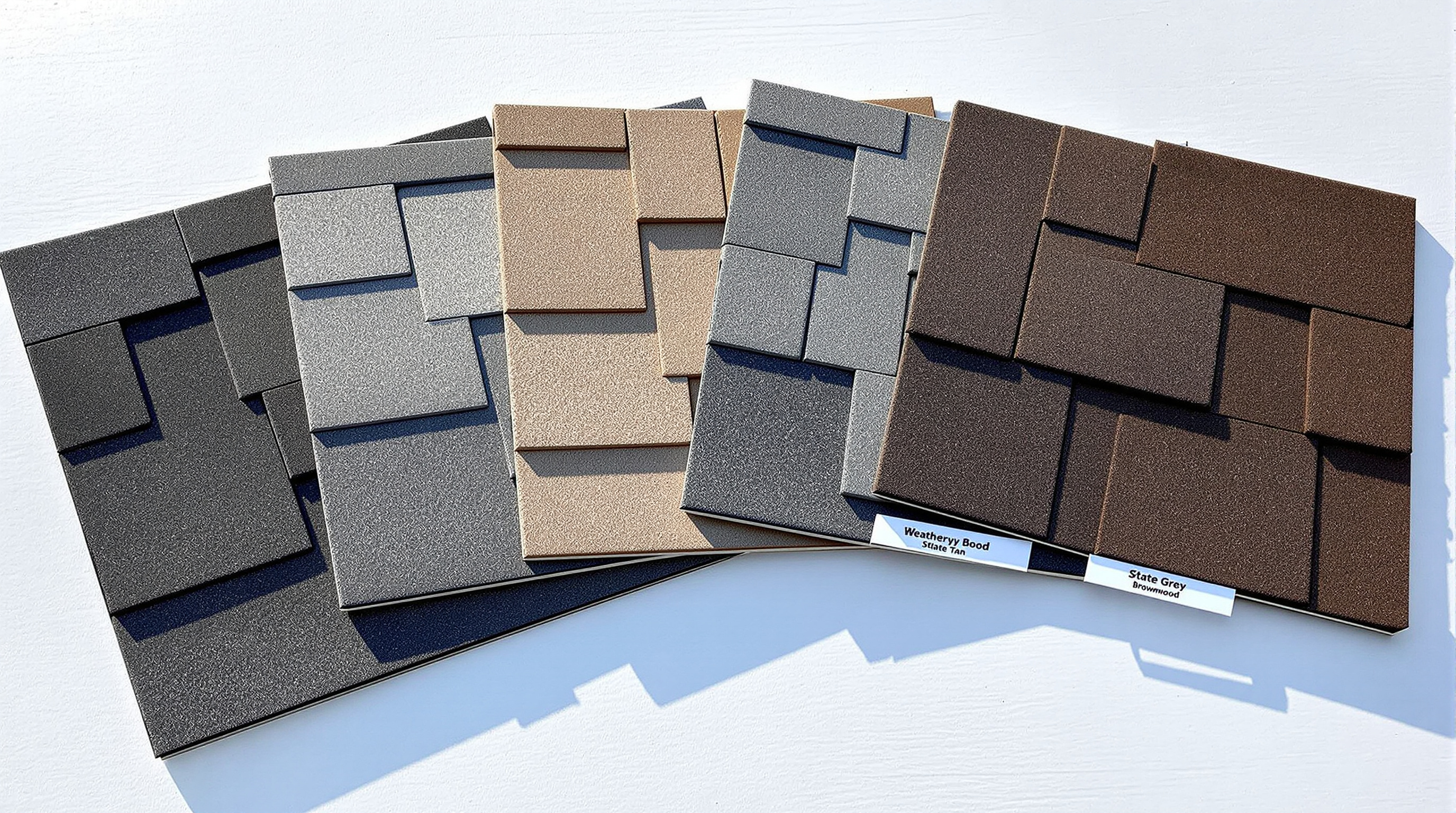
Array of architectural shingle color samples fanned out on a worktable during a roof replacement consultation in South Alabama showing charcoal, weathered wood, slate grey, and desert tan finish options, all Class 4 impact-rated and ASTM D7158 wind-rated shingles specified by a licensed Gulf Coast roofing contractor for residential homes across Mobile County and Baldwin County where salt air and UV intensity demand premium material selection
04

Insurance Claim Documentation

We document storm damage in the format insurance adjusters use — written reports, photographs with measurements, material specifications. We work alongside adjusters to ensure legitimate storm damage isn't missed. We do not waive deductibles — Alabama law prohibits it, and contractors who offer to are red flags.

We document, photograph, and submit — you don't chase your own claim: Adjuster-ready documentation is standard on every insurance-related replacement.
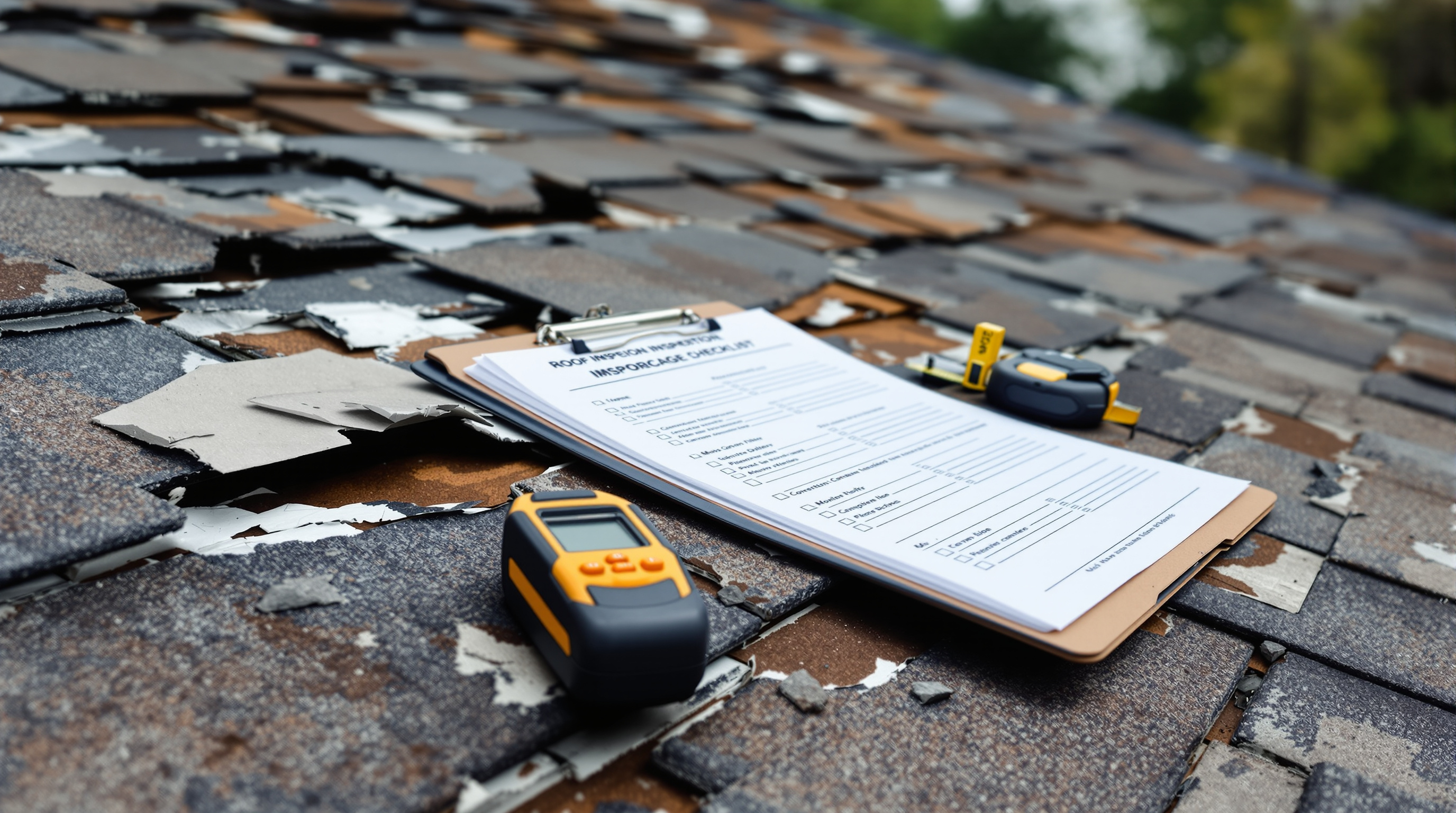
Licensed roofing contractor on a residential roof in Alabama documenting wind damage with a camera and clipboard for an insurance claim assessment before a full roof replacement, capturing granule loss patterns and displaced shingles in the format adjusters require for Gulf Coast storm damage claims in Mobile County and Baldwin County where Hurricane Sally and seasonal tropical systems drive replacement demand
05

Local Accountability — Not Storm Chasers

A warranty from a contractor who has served this market since 2018 with local crews across both counties is worth significantly more than a warranty from a storm chaser who won't be here next season. From Mobile to Gulf Shores, there's a Southern Roofing Systems crew close to you.

Offices across Mobile & Baldwin County — we're not going anywhere: When your warranty call comes in two years, we answer the phone from a permanent local office.
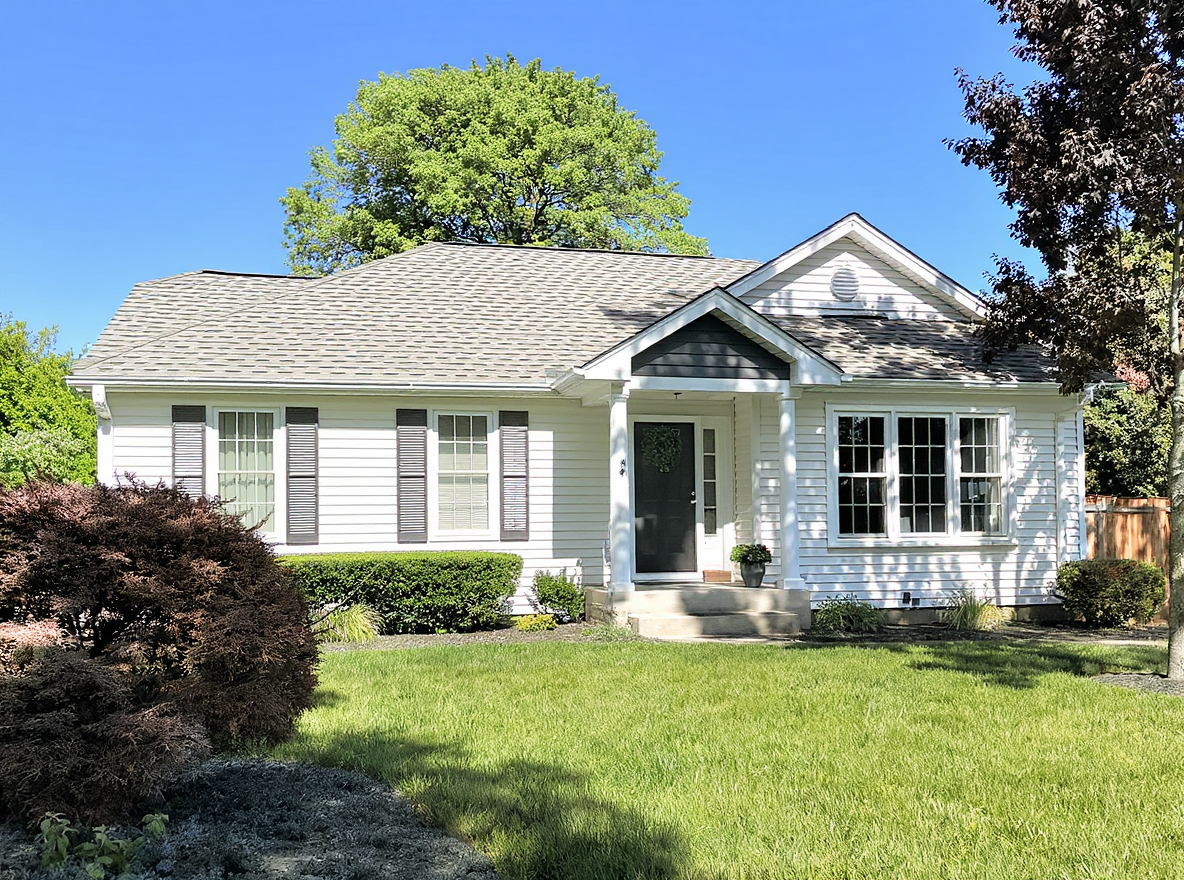
Completed residential roof replacement on a Southern ranch-style home photographed in golden hour light showing fresh charcoal architectural shingles with clean ridge cap lines and new galvanized drip edge, a finished project by a Gulf Coast roofing contractor serving Mobile and Baldwin County Alabama where properly installed six-nail pattern shingles and synthetic underlayment protect homes through decades of 140 mph wind events and 66 inches of annual rainfall

Gulf Coast Homeowners on Their Roof Replacement Experience

"After Hurricane Sally, we had three different contractors give us estimates. Southern Roofing was the only one that actually walked the attic and found the deck damage that wasn't visible from outside. The others just priced what they could see from the ground. That deck replacement saved us from a much bigger problem two years later."

David K. Daphne, AL

"We did the FORTIFIED upgrade at the same time as our replacement based on their recommendation. Our insurance premium dropped 31% at renewal. The upgrade cost us maybe $900 extra. That's paid back in about three years. Wish we'd done it sooner."

Sandra M. Fairhope, AL

"The crew showed up when they said they would, finished in one day, and the yard was cleaner when they left than when they started. I've had contractors who left roofing debris in my shrubs for days. Not these guys."

Robert T. Mobile, AL

Roof Replacement Cost in Mobile & Baldwin County — Real Numbers

$8,500–$22,000 typical residential roof replacement cost range in South Alabama

Cost ranges for residential roof replacement in Mobile County and Baldwin County: Standard architectural shingles on a 1,500–1,800 sq ft home run $8,500–$14,000. Larger homes (2,200–2,800 sq ft) with complex hip-and-valley layouts typical in Gulf Coast craftsman architecture run $13,000–$22,000. Standing seam metal for the same size homes runs $15,000–$30,000 — and lasts 40–60 years versus 18–25 years for shingles in our climate.

Gulf Coast-specific cost factors that aren't present in other markets: Wind-rated materials and installation details add $800–$2,500 to a standard project. Additional peel-and-stick membrane at eaves and rakes (required for proper Gulf Coast protection) adds $300–$700. Steeper pitches on older Mobile and Baldwin County homes increase labor significantly — a 10:12 pitch adds 30–40% to labor costs versus a 4:12 or 6:12.

GULF COAST FACT
Wind Zone III nail patterns and peel-and-stick membrane add $800–$2,500 to a standard replacement — but prevent the wind-driven rain failures that cause $5,000–$15,000 in interior damage.

FORTIFIED Upgrades Pay for Themselves

FORTIFIED Roof upgrades during replacement add $500–$1,500 — and can be offset by the SAH grant of up to $10,000 for eligible homeowners. Insurance premium savings of 15–45% mean the upgrade typically pays back in 2–5 years. For full cost breakdowns and financing information, see our Roof Replacement Cost in Mobile, AL guide.

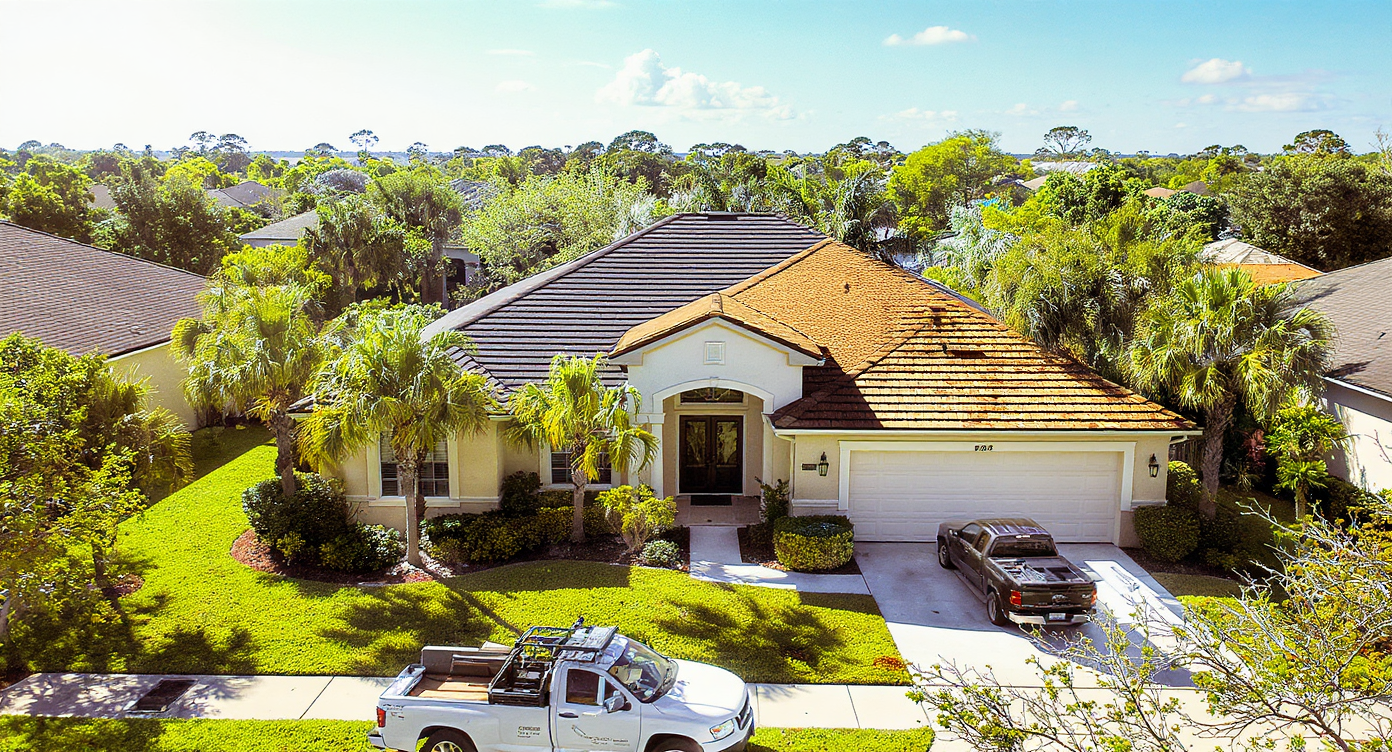
Aerial view of a residential roof replacement in progress on a Southern brick home in South Alabama showing one side stripped to bare plywood decking with peel-and-stick membrane at eaves and the other side freshly shingled with charcoal architectural shingles, illustrating the complete tear-off and installation process used by a licensed roofing contractor in the Gulf Coast 140 to 160 mph wind zone across Mobile County and Baldwin County

Built for the Gulf Coast — Not Just Installed Here

Every roof we replace is engineered for 140–160 mph wind zones, 66 inches of annual rainfall, and salt air that shortens the life of lesser installations. This is roofing built specifically for where you live.

Common Roof Replacement Questions from Alabama Homeowners

Most residential roof replacements in Mobile run between $8,500 and $22,000, depending on roof size, pitch, and materials. A standard 1,800 sq ft home with architectural shingles typically lands in the $10,000–$14,000 range. Steeper pitches, complex hip-and-valley layouts common in Gulf Coast craftsman homes, and wind-rated upgrades (required in our 130–160 mph wind zone) all push the number higher. Metal roofing runs $15,000–$30,000 for the same size home but lasts 40–70 years in our coastal climate versus 15–20 years for shingles. We provide written estimates with full material and labor breakdowns — no vague ranges.

For most Mobile County and Baldwin County homeowners, the choice comes down to impact-resistant architectural shingles versus standing seam metal. Architectural shingles rated Class 4 impact and 130 mph wind hold up well and cost less upfront. Standing seam metal is the stronger long-term choice for Gulf Coast conditions — it handles salt air without corroding, sheds our 66" annual rainfall without seam failures, and is rated for 140–160 mph winds when properly installed. Metal also qualifies for FORTIFIED Roof designation, which can cut homeowners insurance premiums by 15–45% in Alabama.

Most residential replacements take 1–2 days. A standard 2,000 sq ft single-story home with a simple gable or hip roof is typically stripped and re-roofed in one full day. Larger homes, complex multi-gable layouts, or commercial properties take 2–4 days. We schedule around weather windows — Gulf Coast afternoon thunderstorms are a factor from May through September. We do not leave an open deck overnight unless a documented weather window is clear.

In Alabama, homeowners insurance covers roof replacement when the damage is caused by a covered peril — wind, hail, hurricane, and falling trees are all standard covered events. After major storms like Hurricane Sally (2020) and Hurricane Ida impacts across our area, most carriers processed valid claims within 30–90 days. Your payout depends on whether your policy pays Actual Cash Value (ACV) — which deducts depreciation — or Replacement Cost Value (RCV), which pays the full replacement cost. We help customers document storm damage thoroughly to support the strongest possible claim.

Yes — combining a FORTIFIED Roof upgrade with your replacement is the most cost-efficient approach. FORTIFIED requires specific installation details: a fully adhered roof deck, ring-shank nails on a specific pattern, sealed roof-to-wall connections, and impact-rated underlayment. Doing these during a full replacement adds roughly $500–$1,500 to the project cost. Alabama homeowners with FORTIFIED Roof designation save 15–45% on annual insurance premiums, and the SAH grant can offset up to $10,000 of the cost for eligible homeowners.

Yes. Both Mobile County and the City of Mobile require a building permit for full roof replacement. Baldwin County municipalities — including Daphne, Fairhope, Spanish Fort, Foley, Gulf Shores, and Orange Beach — each have their own permitting requirements. We pull all required permits on every job. Replacing a roof without permits creates problems when you sell the property and can void manufacturer warranties. Permit costs typically run $75–$200 and are included in our project quotes.

Roof Replacement Across Mobile & Baldwin County

We serve Mobile County and Baldwin County from 9 physical locations. Our replacement crews work throughout the full Gulf Coast region:

Ready to Replace Your Roof the Right Way?

We're not going anywhere — licensed and insured Gulf Coast roofers with Gulf Coast-specific installation and a 5-year workmanship warranty backed by a company that's been here since 2018. Let's look at your roof.

(251) 250-2255

No obligation · Same-day response · Licensed & Insured