Flat & Low-Slope Roofing in Mobile & Baldwin County, Alabama
Looking for flat roofing on the Gulf Coast? Residential flat roofing that handles 66" of annual rainfall without ponding, seam failures, or the water infiltration that ruins low-slope roofs. TPO, EPDM, and modified bitumen — installed right the first time.
- TPO, EPDM & Modified Bitumen
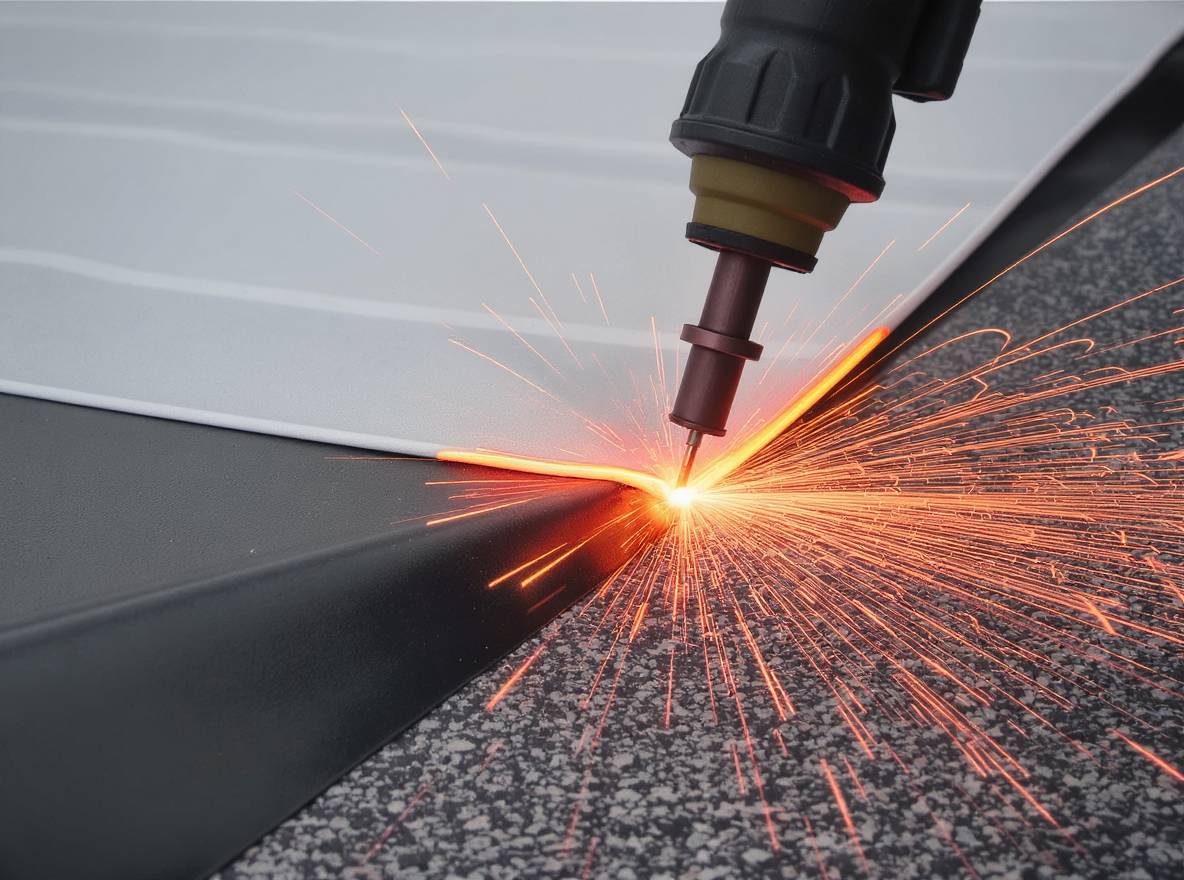
- Heat-Welded Seams — No Adhesive Failures
- Drainage Design for Gulf Coast Rainfall
- Licensed & Insured
What's Going On With Your Roof?
Free inspections • Same-day response • No obligation
No obligation · Licensed & insured · Same-day response
Flat Roofing in Gulf Coast Conditions Demands Expert Installation
Flat and low-slope roofing in Gulf Coast conditions is not forgiving of installation shortcuts. Mobile County and Baldwin County receive 66 inches of annual rainfall — often delivered in intense, prolonged events during hurricane season and spring storm cycles. Low-slope roofs by design shed water more slowly than pitched roofs, and our rainfall intensity means the drainage design and membrane integrity have almost no margin for error. A pinhole seam failure in a flat membrane that gets an inch of water per hour in a June thunderstorm will have substantial interior damage within minutes. This is not a place for inexperienced crews learning on flat roofing or for cost-cutting on membrane thickness.
Common Flat Roof Failures That Plague South Alabama Properties
Seam failure is the most common flat roof failure mode in South Alabama — and it's usually the result of improperly welded seams on TPO or adhesive bonding failures on EPDM and modified bitumen. Heat-welded TPO seams create a bond stronger than the membrane itself; adhesive-applied seams rely on the adhesive maintaining integrity in our climate of persistent humidity and temperature swings. Adhesives that work in moderate climates lose adhesion in Gulf Coast conditions faster. Ponding water compounds the problem — any drainage inadequacy or rooftop debris blockage that creates standing water accelerates membrane degradation and seam stress. We see multiple flat roof failures per season that trace directly back to inadequate seam technique or drainage design.
Flat Roof Installation Engineered for 66 Inches of Annual Rainfall
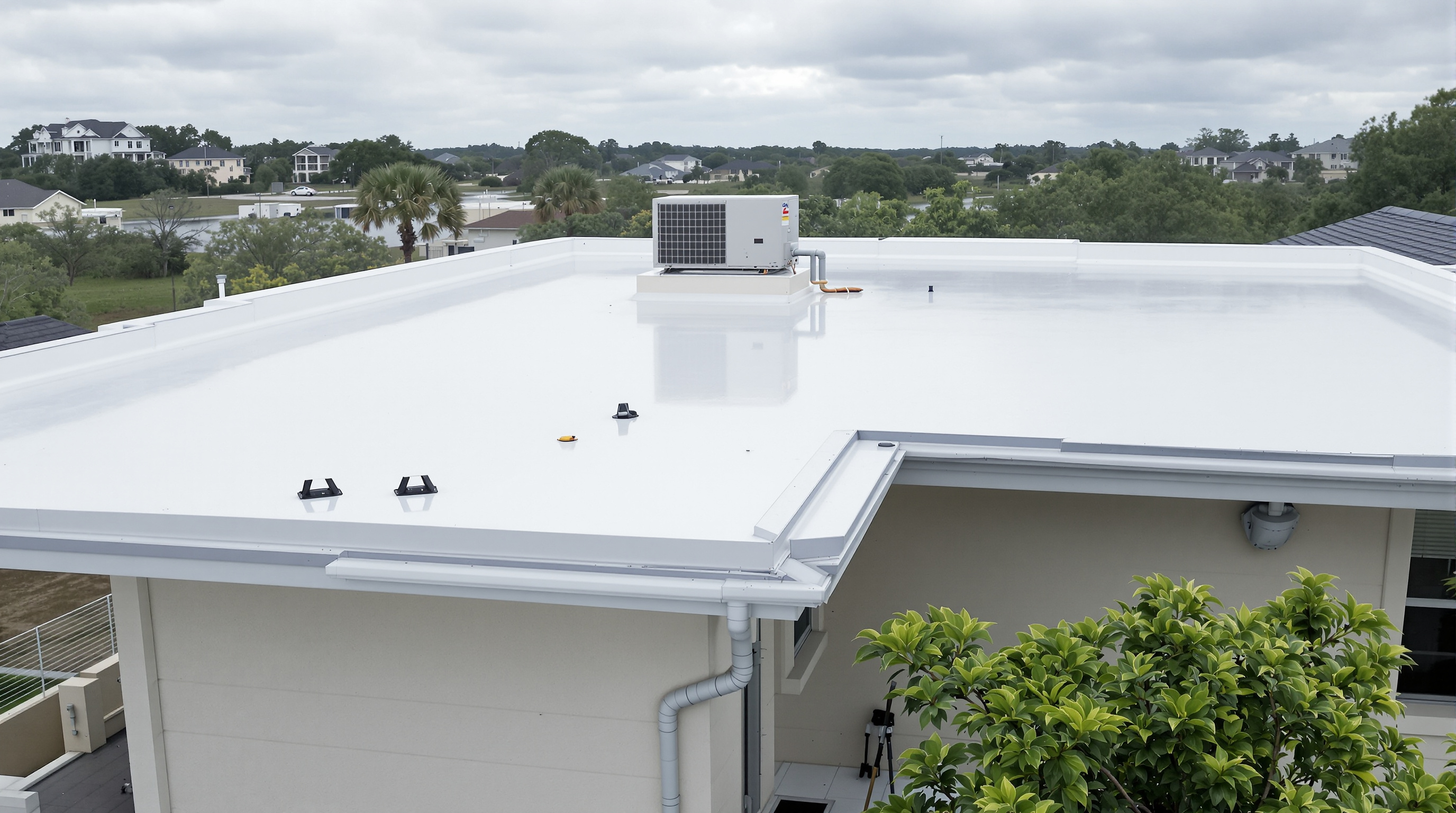
As a licensed and insured roofing contractor with flat roof expertise across both Mobile County and Baldwin County, we design flat roofing systems with Gulf Coast conditions as the starting point. Our roofers understand that flat roof roofing services on the Gulf Coast require a fundamentally different approach than what most roofing contractors deliver. Schedule a free roof inspection if your flat roof shows any signs of ponding or membrane wear. Drainage is engineered first — proper slope-to-drain, scupper sizing, and overflow provisions designed for our 4–6 inch per hour rainfall intensity at 10-year storm frequency. Membrane selection is matched to the building use, exposure, and thermal environment. Seam technique is heat-welded on TPO — no adhesive reliance. Penetration details — HVAC curbs, plumbing vents, parapet walls — are flashed with the same membrane material and welded consistently. The result is a system where water has nowhere to enter.
Flat Roofing Systems for Residential Properties in Alabama
- TPO (Thermoplastic Polyolefin)
- EPDM (Synthetic Rubber)
- Modified Bitumen
- Silicone coating restoration
- Drainage engineering
- Penetration re-flashing
TPO (Thermoplastic Polyolefin)
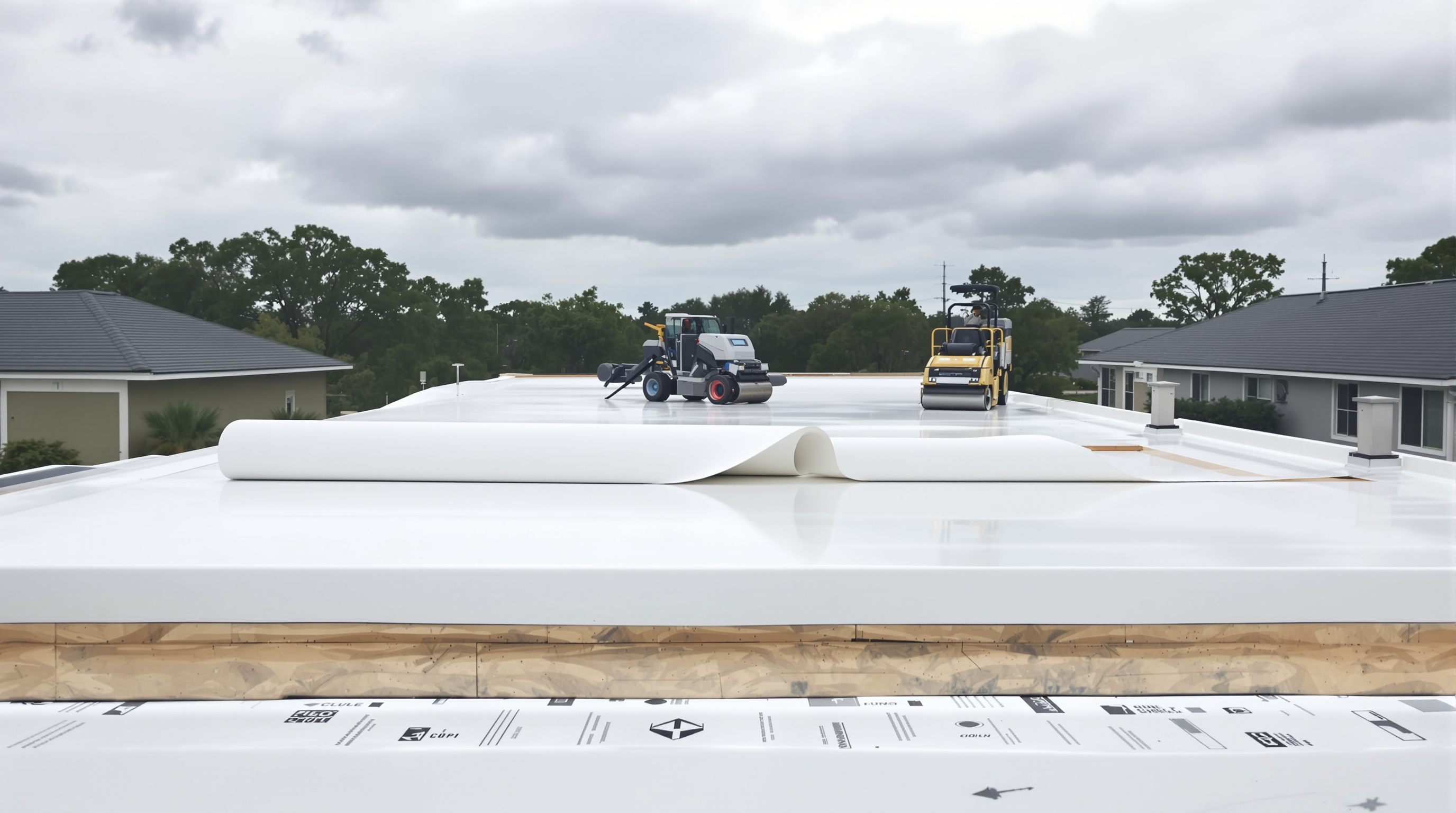
TPO is our most commonly recommended residential flat roofing system for Gulf Coast properties for several reasons specific to our climate. The white reflective surface keeps the roof surface temperature 50–80°F cooler than black membrane systems on a summer day in South Alabama — a direct energy benefit. Heat-welded seams create bonds stronger than the membrane itself, eliminating the adhesive failure mode common on older flat systems. 60-mil TPO (the correct commercial-grade thickness — we don't install 45-mil on primary residences) resists the UV degradation and thermal cycling that challenge lighter products. Expected lifespan with proper maintenance: 20–25 years.
EPDM (Synthetic Rubber)
EPDM rubber membrane has a decades-long track record on residential flat roofs and remains a strong option for properties where cost is the primary constraint. EPDM's UV resistance is excellent — it handles our Gulf Coast solar intensity without significant degradation. The primary consideration for South Alabama: EPDM's standard black surface absorbs significantly more heat than white TPO. In our climate, this means higher cooling loads and higher attic temperatures. Reflective EPDM coatings are available and we recommend them for residential applications. Fully-adhered EPDM (as opposed to ballasted or mechanically fastened) is the correct specification for residential use — it handles wind uplift in ASCE 7 Wind Zone III.
Modified Bitumen
Modified bitumen is an appropriate choice for smaller flat roof sections — covered porches, shed dormers, single-story additions, and outbuildings with low-slope rooflines. APP and SBS-modified bitumen with torched or self-adhering application provides a durable, watertight surface with a proven track record in Gulf Coast conditions. Mineral-surfaced cap sheets in white or reflective finishes address the heat absorption issue. Modified bitumen doesn't scale as efficiently as single-ply for larger areas, but for sections under 500 sq ft, it's a cost-effective and reliable system.
Drainage Design — The Critical Factor in Gulf Coast Flat Roofing
Ponding water is the number one flat roof killer in South Alabama. A flat roof with inadequate drainage or blocked drains that holds standing water accelerates membrane degradation in every system type. The NRCA (National Roofing Contractors Association) defines excessive ponding as water that remains 48 hours after rain. In our climate, where rain events follow each other every few days during the wet season, a drainage deficiency means your membrane is in almost constant contact with standing water.
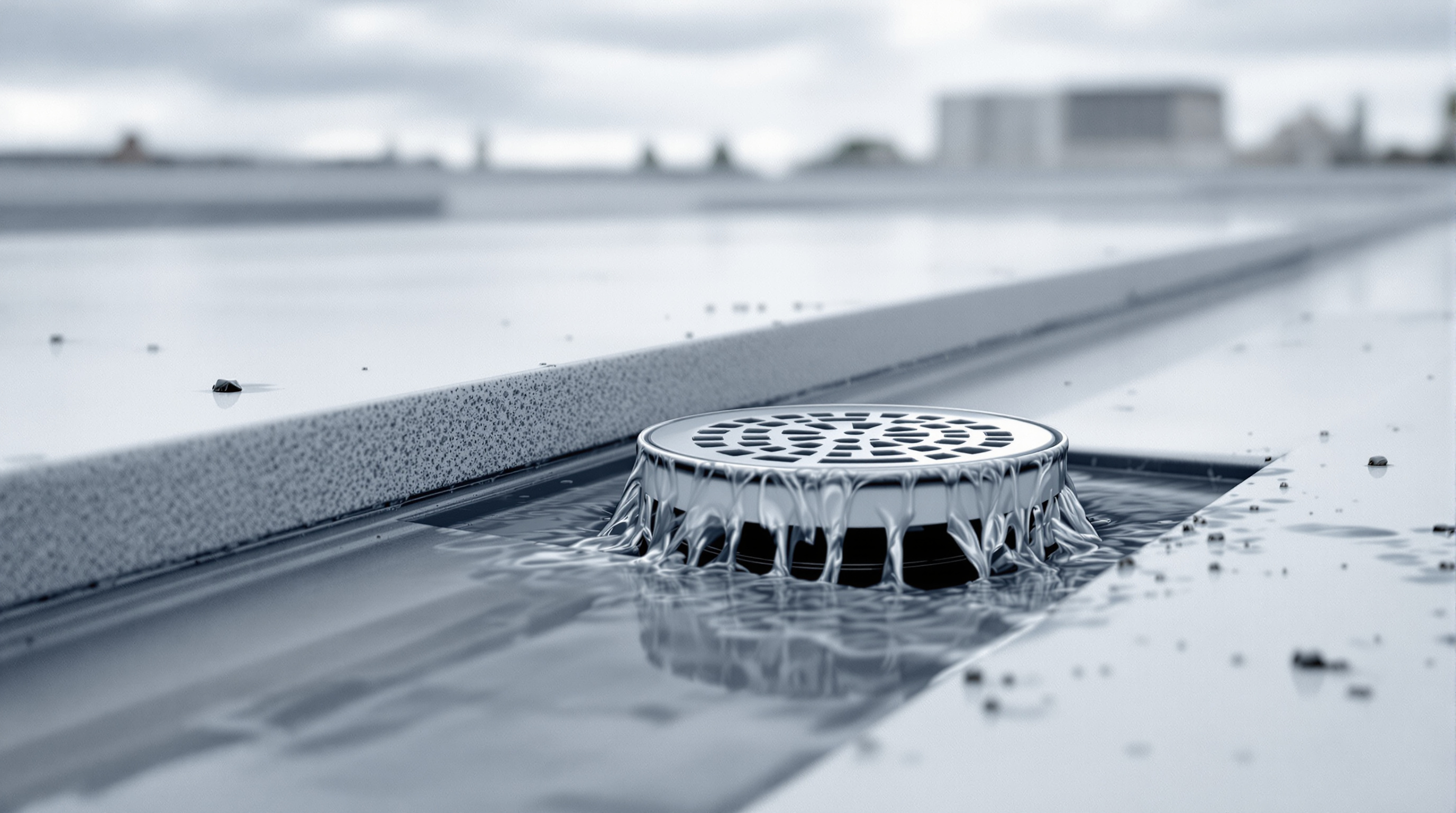
Our drainage design starts before any membrane goes down. We establish minimum slope (1/4" per foot for TPO and EPDM is the industry standard; we target 1/2" per foot where the existing structure permits) using tapered insulation board where needed to create positive drainage to drains or scuppers. Scupper sizing and overflow scupper placement is calculated for Gulf Coast rainfall intensity — not national average. We verify drain bodies are appropriately sized and that roof drains are not the sole drainage path (overflow scuppers or secondary drains are required by code in most applications). A properly drained flat roof in our climate will outlast its design life; a poorly drained one will fail early regardless of membrane quality.
Flat Roof Installation Process for Mobile & Baldwin County
- 1
Inspection & Drainage Assessment
We evaluate existing drainage, deck condition, penetrations, and parapet walls. If you have an existing flat roof, we assess whether moisture is trapped in the existing insulation (wet insulation must be replaced — it can't be dried in place). Written estimate with line-item breakdown.
- 2
Tear-Off & Drainage Engineering
Full removal of existing membrane and insulation. Deck inspection and any damaged sections replaced. Tapered insulation installation where needed to achieve positive drainage. Drain bodies and scuppers inspected and replaced as needed.
- 3
Membrane Installation
TPO heat-welded at all seams, fully adhered to substrate. All penetrations flashed with the same membrane material and welded into the field membrane. Parapet wall details, edge terminations, and counterflashing installed to code.
- 4
Seam Testing & Quality Verification
Every seam is probed with a screwdriver tool to verify weld quality. No seam passes without verified fusion. All penetration flashings are inspected for complete bonding. We document the completed installation photographically before any equipment is moved off the roof.
- 5
Final Walkthrough & Warranty Documentation
We walk the completed system with you and provide written warranty documentation — manufacturer warranty on the membrane and our workmanship warranty on installation. Maintenance recommendations specific to your system and location.
- 60-mil commercial-grade membrane standard — not 45-mil cost-cutting
- Heat-welded TPO seams eliminate adhesive failure points
- Drainage engineered for 4–6 inch/hour Gulf Coast rainfall intensity
- Every penetration flashed with membrane and welded — no caulk-only terminations
A Flat Roofing Contractor Built for Gulf Coast Challenges
Gulf Coast Drainage Engineering
Flat roof drainage design for our climate requires specific rainfall intensity calculations. We design for 4–6 inch per hour events — not national average parameters — because that's what your roof will face every hurricane season.
Heat-Welded Seams — No Adhesive Shortcuts
We don't use adhesive on TPO seams. Heat welding creates a bond stronger than the membrane material itself. It's the only seam technique that holds up in Gulf Coast humidity and temperature extremes over a 20+ year service life.
60-Mil Membrane Standard
We install 60-mil commercial-grade TPO and EPDM on primary residential roofs. 45-mil is an industry cost-cutting move that reduces puncture resistance and UV lifespan. We don't install 45-mil where performance matters.
Penetration Details Done Right
HVAC curbs, plumbing vents, and any penetration through a flat roof membrane is a potential failure point. Every penetration is flashed with the same membrane material and welded continuously into the field membrane — no caulk-only terminations.
Flat Roof Costs in South Alabama — Per Square Foot Pricing
Residential flat roofing in our market runs by the square foot: TPO (60 mil, fully adhered), $7.50–$11.00/sq ft installed; EPDM (60 mil), $6.50–$10.00/sq ft; modified bitumen, $6.00–$9.00/sq ft. A typical 800 sq ft covered porch or addition flat roof runs $5,000–$9,000 for TPO installation including tear-off, drainage corrections, and full penetration details.
Factors that increase cost in Gulf Coast installations: drainage corrections requiring tapered insulation add $1.50–$3.00/sq ft. Multiple penetrations (HVAC units, vents) add $150–$400 each for proper flashing details. Parapet wall counter-flashing and termination details add $8–$15 per linear foot. Getting these details right the first time costs more upfront and saves multiples in repair costs over the membrane's 20-year life.
Gulf Coast Flat Roof Considerations Most Contractors Overlook
Ponding Water Risks With 66 Inches of Annual Rainfall
South Alabama averages 66 inches of rain per year, and flat roofs bear every drop directly. Unlike pitched roofs that shed water within seconds, flat and low-slope membranes hold rainwater until the drainage system moves it off the surface. During the wet season from May through October, back-to-back rain events can keep water on your membrane for days if drainage is undersized or partially blocked. The NRCA flags any ponding that persists 48 hours after rainfall as excessive — but in our climate, where measurable rain falls every 4-5 days on average during summer, a drainage system that barely meets that threshold is already failing. We design for clearance within hours, not days, because Gulf Coast rainfall doesn't wait for your last storm to drain before delivering the next one.
Persistent ponding accelerates every failure mode in flat roofing. Standing water degrades adhesive-bonded seams faster than UV or thermal cycling. It concentrates at low points where membrane thickness is already stressed by foot traffic. It breeds biological growth that retains moisture against the membrane surface 24/7. And when a tropical system drops 8–12" in a single event on top of existing ponding, the weight load on the deck can exceed structural design parameters — 1 inch of standing water across 1,000 sq ft weighs over 5,200 lbs.
Wind Uplift on Flat Surfaces in 140-160 mph Zones
Flat roofs in ASCE 7 Wind Zone III face unique uplift dynamics that pitched roofs don't. During hurricane-force wind events, the pressure differential across a flat roof surface creates uplift forces that are highest at perimeters and corners — the exact locations where edge metal, membrane terminations, and parapet flashings are concentrated. A flat roof in Mobile or Baldwin County rated for 140-160 mph design wind speeds must have insulation board fastened at corner, perimeter, and field densities calculated for that specific building — not generic manufacturer minimums. We calculate insulation attachment per ASCE 7-16 for every flat roofing project because under-fastened insulation board is the number one cause of total membrane loss during hurricanes.
Edge metal is where most flat roofs fail in high-wind events. ANSI/SPRI ES-1 compliant edge metal is required, and the fastening pattern must match the wind zone. After Hurricane Sally, the most common commercial flat roof failure pattern we documented across Mobile County was edge metal peeling back from the parapet, which then allowed wind-driven rain under the membrane. Proper edge termination and counter-flashing installation is not a finishing detail — it's the system's first line of defense against wind.
Salt Air Corrosion on Membrane Fasteners Near the Coast
Baldwin County coastal properties face an additional flat roof challenge that inland buildings don't: salt air corrosion on metal components. Mechanically fastened flat roofing systems use steel fastener plates to attach insulation board and membrane to the deck. In coastal environments from Gulf Shores through Orange Beach and Dauphin Island — and increasingly in Fairhope and Daphne where salt air carries inland — standard carbon steel fasteners and plates corrode within 5-10 years. Corroded fastener plates lose clamping force, which reduces wind uplift resistance progressively over time. For coastal flat roofing, we specify stainless steel or coated fasteners rated for marine environments, and we recommend fully adhered membrane attachment (which eliminates mechanical fastener dependence entirely) for properties within 3 miles of the coastline. The upfront cost difference is small; the performance difference in salt air over a 20-year service life is substantial.
Flat Roofing Questions for Gulf Coast Property Owners
TPO is our most commonly recommended system for Gulf Coast residential flat roofs. Its white reflective surface reduces cooling load significantly in our climate, heat-welded seams create the most reliable watertight bond, and 60-mil TPO handles the UV and thermal cycling of coastal Alabama over a 20–25 year service life. Modified bitumen is a solid choice for smaller sections under 500 sq ft. EPDM works well but requires a reflective coating in our climate due to its black surface heat absorption.
Flat and low-slope roofs rely entirely on membrane integrity rather than gravity to shed water. Water sits on the surface longer, putting constant pressure on seams and penetration details. In Gulf Coast conditions with 66" annual rainfall, the drainage system and membrane quality have almost no margin for error. A seam failure that might drip slowly on a pitched roof creates rapid water infiltration on a flat surface under active rainfall intensity of 4–6 inches per hour.
Properly installed 60-mil TPO or EPDM with adequate drainage: 20–25 years. Modified bitumen with proper surfacing: 15–20 years. These are conservative estimates for Gulf Coast conditions. Systems installed with 45-mil membrane, inadequate drainage, or adhesive-only seam bonding will fall short of these lifespans. Annual drain cleaning and penetration seal inspections add 3–5 years to expected service life.
Yes, if the membrane is structurally sound and the insulation is dry. Silicone coating restoration systems can extend a clean, dry TPO or EPDM membrane by 10–15 years at roughly 30–50% of full replacement cost. The qualification test: an inspection to verify no saturated insulation, seams and flashings in restorable condition, and adequate drainage. We provide a written assessment of whether your specific flat roof is a restoration candidate before recommending either path.
The most common causes of early flat roof failure in our market: inadequate drainage causing persistent ponding; seam failures from adhesive bonding rather than heat welding on TPO; 45-mil membrane (insufficient for UV and thermal cycling at our latitude); improper penetration flashing (caulk-only pipe boot terminations); and membrane installed over wet insulation that was never properly dried or replaced. All of these are preventable with the right installation standards.
Get Your Free Roof Inspection
We'll assess your roof's condition and provide a detailed report — no cost, no obligation.
- Thorough roof inspection
- Detailed written report
- Same-day scheduling available
- Licensed & insured across Mobile & Baldwin County
What's Going On With Your Roof?
Free inspections • Same-day response • No obligation
No obligation · Licensed & insured · Same-day response