Commercial Roof Maintenance Programs in Mobile & Baldwin County, Alabama
Looking for commercial roof maintenance in South Alabama? A properly maintained commercial membrane roof lasts 20–25 years in Gulf Coast conditions. A neglected one fails in 12–15. Our programs extend roof life, prevent emergency calls, and protect business continuity through hurricane season.
- Annual & Semi-Annual Programs
- $0.08–$0.15/Sq Ft Per Year
- Priority Emergency Response
- Pre-Hurricane Season Inspections
What's Going On With Your Roof?
Free inspections • Same-day response • No obligation
No obligation · Licensed & insured · Same-day response
Roof Maintenance Extends Commercial Roof Life 5–8 Years in Gulf Coast Conditions
The math on commercial roof maintenance in Gulf Coast conditions is straightforward. As a licensed and insured roofing contractor serving Mobile County and Baldwin County, we see the difference between maintained and neglected commercial roofs every week. A 10,000 sq ft commercial property on an annual maintenance program pays $800–$1,500 per year. A properly maintained 60-mil TPO roof lasts 20–25 years. A neglected roof of the same type in our climate fails in 12–15 years. The maintenance program recovers its cost in extended roof life within 3–5 years. Everything after that is pure return — plus the avoided cost of emergency repairs, interior damage remediation, business interruption during unplanned replacements, and the premium cost of emergency roof contracting during peak demand periods following major storm events.
Gulf Coast conditions accelerate deterioration in specific, predictable ways that maintenance directly addresses. Drain and scupper blockage from subtropical tree debris (leaves, seed pods, Spanish moss) creates ponding that degrades membrane and insulation year-round. Salt air deposits on coastal commercial properties accelerate metal flashing corrosion at edge terminations and penetrations. UV intensity at our latitude degrades sealant at penetration flashings faster than in northern markets. Hurricane-season inspection and post-storm documentation ensures your roof's condition is professionally recorded before each storm season — critical for insurance claim support after the next Sally or Ivan.
Emergency commercial repairs on demand cost 2–3x planned maintenance costs. Post-storm emergency tarping, unplanned penetration failures mid-season, and drainage-related interior damage all carry premium pricing and emergency scheduling costs. A maintenance customer with a known roof condition is a different situation than an unknown roof presented for emergency triage. The priority scheduling benefit of a maintenance agreement — same-day dispatch for maintenance customers with active emergencies — directly translates to lower damage costs when the inevitable Gulf Coast weather event occurs. Our roofers respond to maintenance customers first because we already know your roof's condition and history.
Annual and Semi-Annual Roof Maintenance Programs for South Alabama Properties
Standard Annual Program
Biannual inspection visits — Spring and Fall: Spring inspection before hurricane season (June 1) verifies the roof's condition entering the high-risk period. Fall inspection after hurricane season documents any storm-season deterioration and addresses issues before winter rainfall. Both visits include written condition reports with photographs, suitable for your facilities file and insurance documentation.
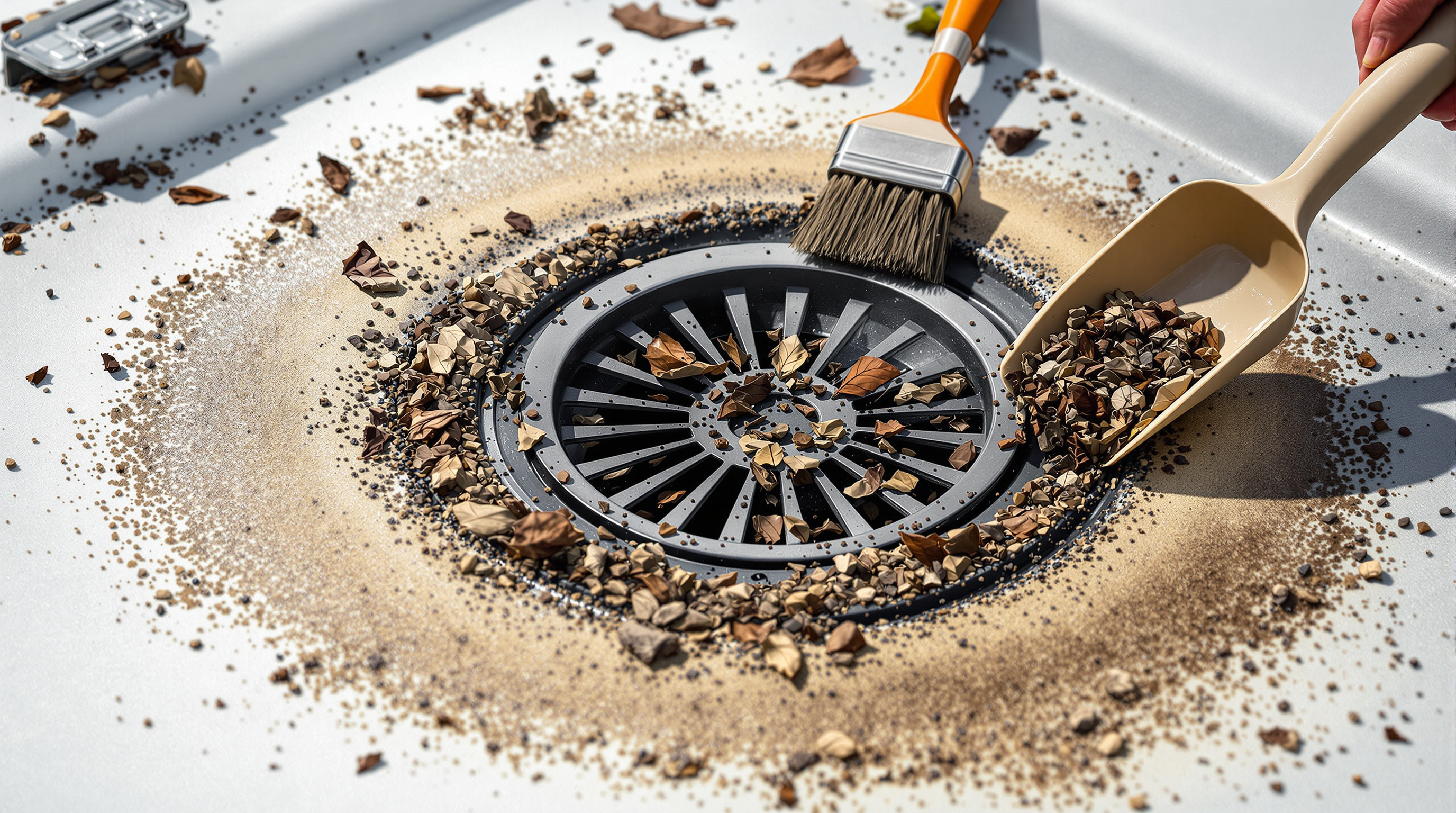
Drain and scupper cleaning at each visit: Every roof drain body, scupper, and overflow is cleared of debris. In Gulf Coast subtropical environments with significant tree canopy, drain blockage between visits is common — we clear everything at each maintenance visit, not just visually inspect it. Clogged drains causing ponding during a 3-inch thunderstorm event are one of the most preventable failure scenarios in commercial roofing.
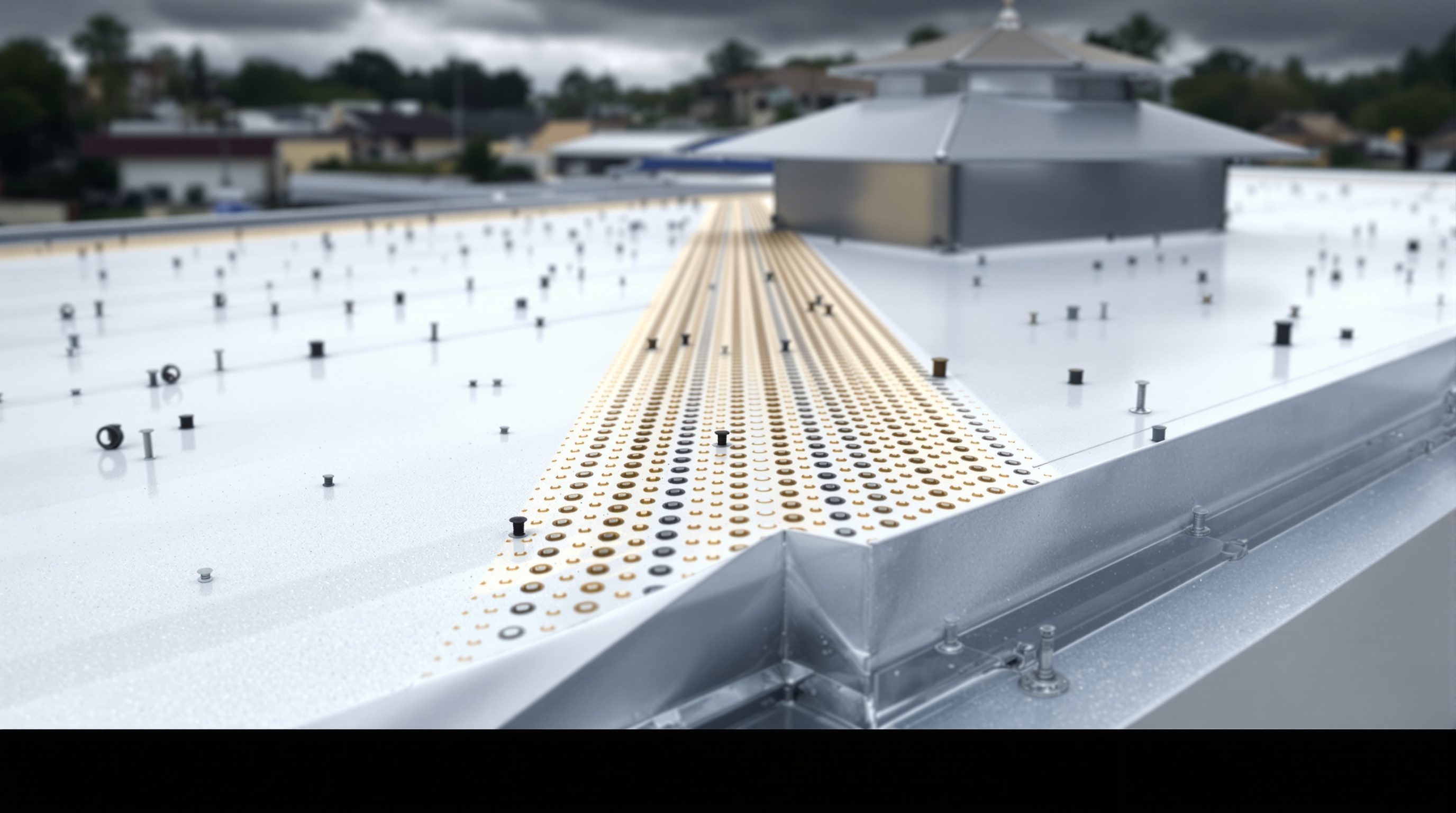
Penetration flashing re-seal: Every pipe boot collar, HVAC curb flashing termination, parapet wall counter-flashing, and expansion joint cover is inspected and re-sealed where sealant shows cracking or separation. Penetrations are the most common water entry point on maintained commercial roofs — staying ahead of sealant degradation is the highest-value single task in commercial roof maintenance.
Edge metal inspection and re-seal: Edge metal terminations and seams are inspected for separation, corrosion, and sealant condition. Salt air accelerates edge metal corrosion in coastal commercial applications — early identification and treatment avoids the much more expensive edge metal replacement required when corrosion progresses to structural failure.
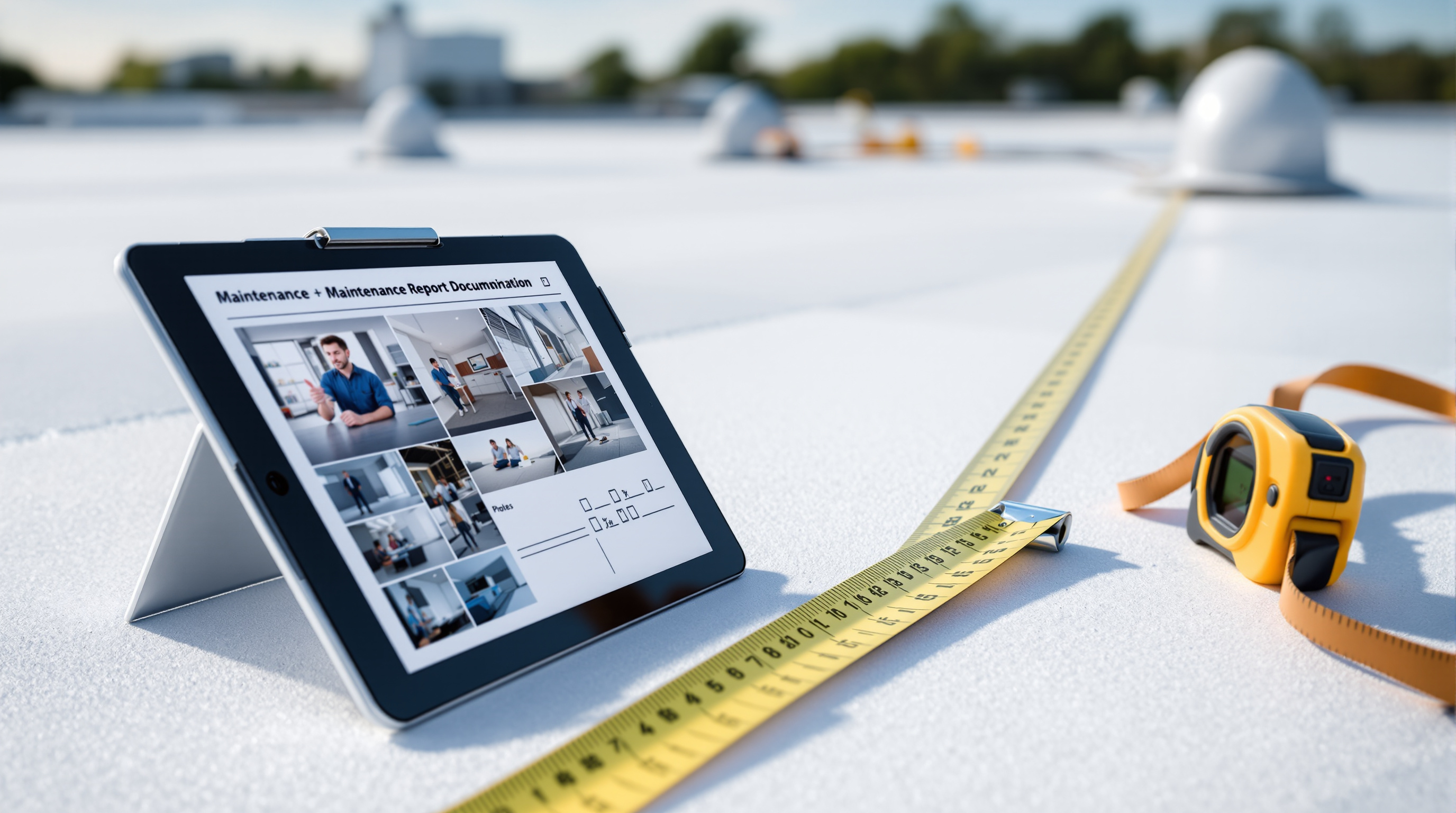
Written condition report: Every visit produces a written condition report with photographs, specific condition notes by roof section, and any repairs recommended. This documentation builds a longitudinal record of your roof's condition that is invaluable for warranty claims, insurance adjuster negotiations, and capital replacement planning.
What Each Inspection Covers — Line by Line
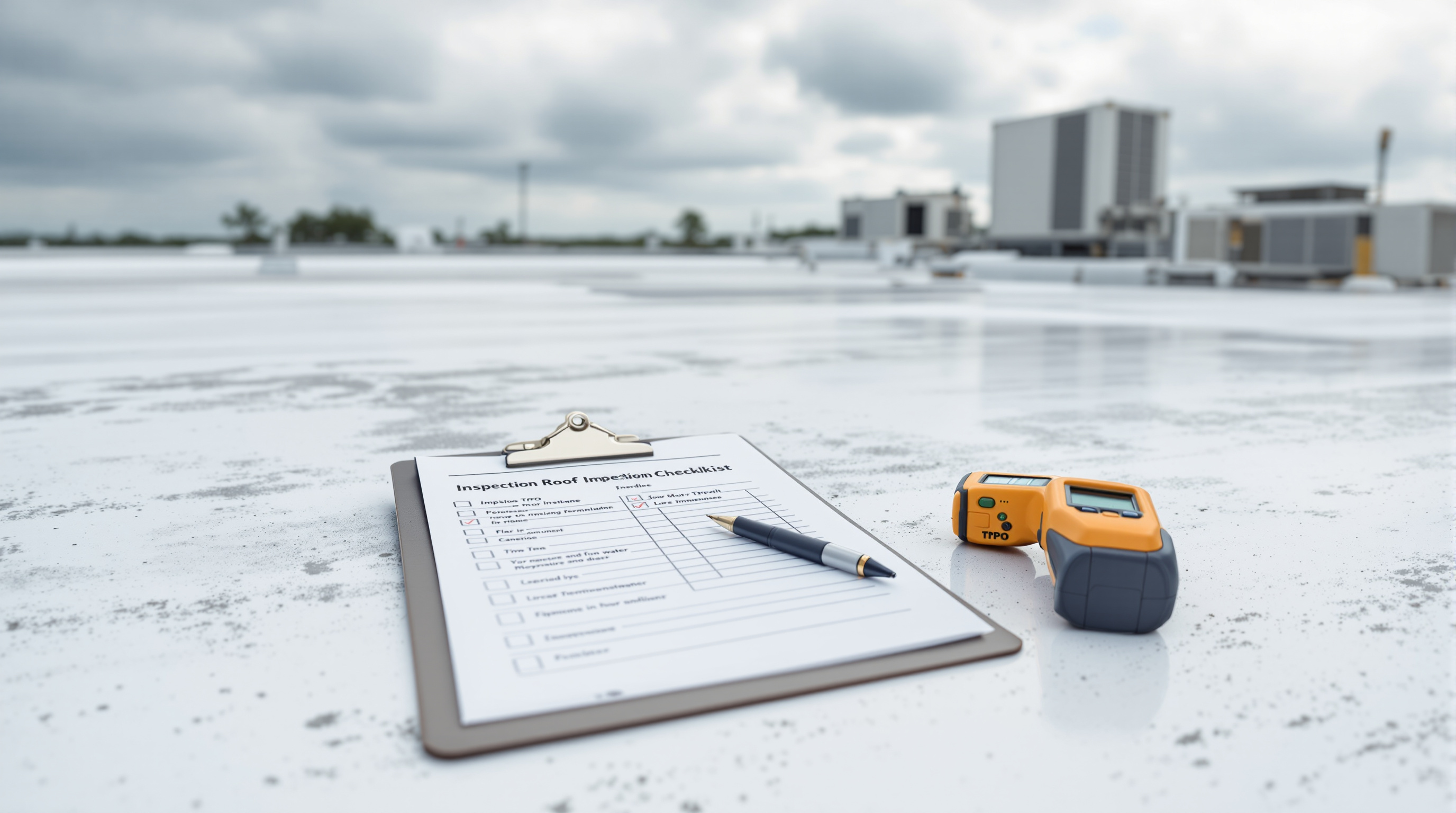
Every maintenance inspection follows a documented checklist specific to your membrane type and building conditions. We don't do visual walk-overs and call it an inspection. Each of these items is individually evaluated, documented with condition notes, and photographed where applicable:
- Roof drain bodies: Cleared of all debris, strainer baskets inspected for damage, clamping ring condition verified against the membrane collar.
- Scuppers and overflow scuppers: Fully cleared, scupper box condition assessed, conductor head and downspout connection verified for blockage.
- Interior drain lines (where accessible): Flow test to confirm no internal blockage that could cause backup during heavy rainfall events.
- Membrane field condition: Surface inspected for blistering, punctures, UV degradation patterns, biological growth, and any standing water residue indicating drainage problems.
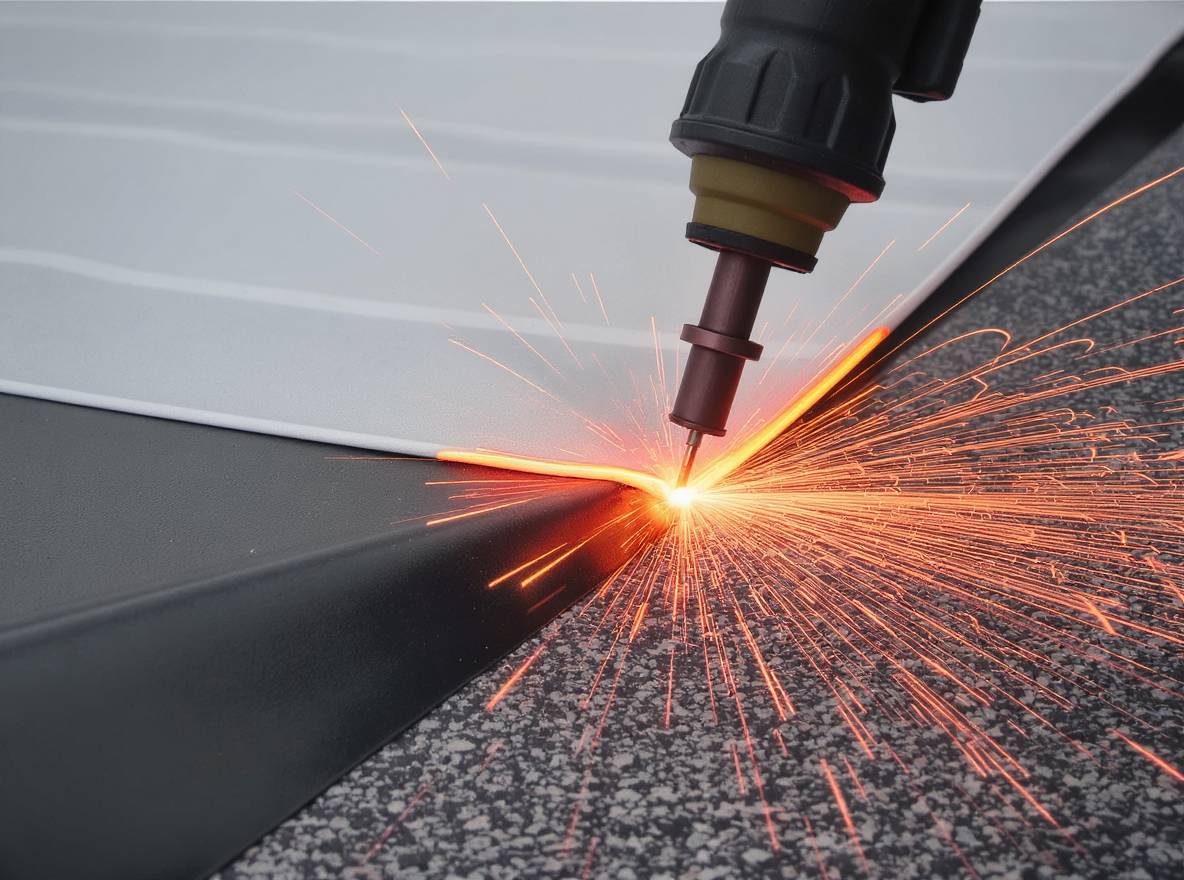
- All membrane seams: Probed for edge lift, adhesive separation (EPDM), or weld degradation (TPO/PVC) — every accessible seam in the field and at details.
- Pipe boot flashings: Each pipe penetration checked for sealant cracking, boot collar separation, and UV degradation of the flashing material.
- HVAC curb flashings: Counter-flashing terminations, membrane-to-curb transitions, and any sealant joints inspected for separation or cracking caused by equipment vibration and thermal cycling.
- Parapet wall counter-flashing: Termination bar condition, sealant line at masonry or metal cap, and membrane coverage verified along the full parapet perimeter.
- Edge metal and coping: Checked for separation at joints, fastener backing-out, sealant condition at laps, and corrosion on metal components — salt air properties get closer attention here.
- Expansion joint covers: Bellows condition, attachment integrity, and any debris accumulation that could restrict joint movement during thermal cycling.
- Rooftop equipment supports: Pitch pockets, equipment pad flashings, and any field-fabricated support details inspected for sealant condition and membrane contact integrity.
- Walkway pad condition: Adhesion to membrane verified, pad edges checked for lifting that could catch wind or create tripping hazards for service technicians.
- Satellite, antenna, and conduit penetrations: Often installed after the roof by third-party trades — these are frequently the source of leaks because they bypass the original waterproofing details.
- Ponding evidence: Water stain patterns, biological growth rings, and debris accumulation patterns that indicate standing water areas are documented even when the roof is dry at inspection time.
- Photographic documentation: Every noted condition is photographed with location reference for year-over-year comparison and insurance baseline documentation.
Common Issues We Find During Routine Inspections
Blocked secondary drains and overflow scuppers are the most dangerous finding in our market. Primary drains may be clear and functioning, but overflow scuppers — the safety valves that prevent catastrophic ponding if primary drains fail — are frequently blocked by debris, paint overspray, or even intentionally sealed by maintenance workers who didn't understand their purpose. A building with blocked overflow scuppers and a primary drain failure during a Gulf Coast 4-inch-per-hour rain event can accumulate thousands of pounds of water on the roof within an hour. We find this condition on roughly 15% of first-time inspections.
Third-party penetrations installed without proper flashing are a recurring issue. HVAC technicians, electricians, satellite installers, and telecommunications contractors regularly drill through commercial roof membranes and seal the penetration with caulk or spray foam rather than a proper membrane flashing. These penetrations work initially and fail within 1-3 years as the sealant degrades. We find at least one improperly flashed third-party penetration on most commercial roofs that haven't been on a maintenance program.
Edge metal fastener back-out from thermal cycling is common on buildings over 8-10 years old. The daily temperature swing on a Gulf Coast commercial roof — membrane surface temperatures from 70°F at dawn to 170°F+ at midday in summer — creates expansion and contraction cycles that slowly back out edge metal fasteners. A fastener that has backed out 1/4 inch is no longer providing design clamping force, and in a hurricane-force wind event, that edge metal section is the first to peel. We check and re-fasten any backed-out fasteners at each visit.
Grease exhaust damage on non-PVC membranes shows up clearly during inspections. On restaurant and food service buildings with TPO or EPDM roofs, the membrane within 3-6 feet of grease exhaust vents shows visible softening, discoloration, and surface breakdown. This damage is progressive and eventually leads to membrane failure at the exact location where water pooling around the exhaust curb is most likely. Early identification allows for localized PVC patch repair before the damage spreads to surrounding membrane.
Insulation saturation from undetected slow leaks is a costly finding that maintenance prevents. A pinhole leak at a penetration flashing can saturate insulation for months without producing visible interior water damage — the insulation absorbs the moisture and redistributes it laterally. By the time the leak shows inside the building, the saturated insulation area may be 10-20 times the size of the leak source. Infrared scanning during dry-condition inspections reveals saturated insulation early, when the repair is a single penetration flashing and a small insulation section — not a large-area tear-off and re-insulation project.
Semi-Annual Program
The semi-annual program adds a mid-season inspection visit between the spring pre-season and fall post-season visits. This is appropriate for larger commercial properties, buildings with complex rooftop equipment that generate higher debris and penetration demands, restaurants and commercial kitchens with grease exhaust rooftop deposits, and coastal properties with elevated salt air exposure. Pricing for semi-annual programs runs $0.12–$0.20/sq ft per year.
- Biannual roof inspections
- Drain and scupper cleaning
- Penetration flashing re-seal
- Edge metal inspection
- Written condition reports
- Pre-hurricane season prep
- Priority emergency dispatch
- Warranty compliance docs
Pre-Hurricane Season Roof Inspections Protect Your Alabama Business
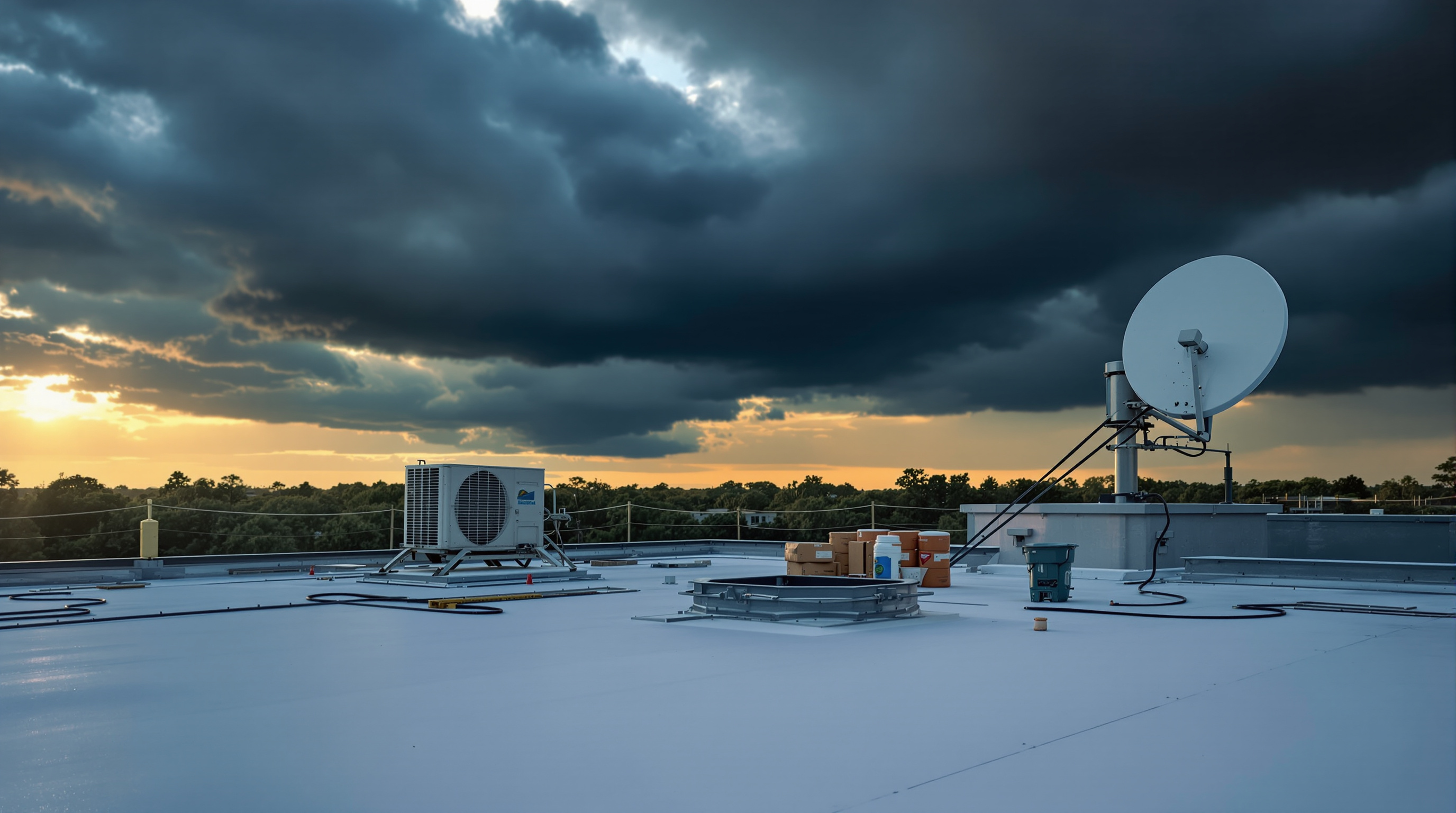
Hurricane season runs June 1 through November 30 in the Gulf Coast market. For commercial property owners, the most valuable maintenance activity is the pre-season spring inspection — completed in April or May before the season starts. The spring inspection identifies and resolves any conditions that could become critical under tropical system conditions: loose edge metal, deteriorating penetration seals, drainage deficiencies that cause ponding, and any membrane blistering or seam separation that has developed since the prior fall visit.
The pre-season inspection report becomes your baseline documentation for insurance purposes for the entire hurricane season. After Hurricane Sally in 2020, commercial property owners who had pre-storm inspection reports from licensed roofing contractors moved through insurance claims significantly faster than those who could not document pre-storm condition. An adjuster's job is to minimize claim scope — a written, photographed pre-storm condition report from licensed roofing contractors limits the "pre-existing condition" objection. This is one of the most valuable roofing services we provide to commercial property managers across the Gulf Coast.
Maintenance agreement customers receive priority emergency dispatch after major storm events. After Hurricane Sally, our maintenance customers were in the first dispatch wave — active emergencies at maintenance-contracted properties were prioritized over non-contract emergency calls. In the post-storm period when every contractor is overloaded, this priority scheduling means the difference between 24-hour response and 5-day response.
Roof Maintenance Costs $0.08–$0.15/Sq Ft — A Fraction of Emergency Repair Pricing
Annual program pricing: $0.08–$0.15 per square foot per year. A 10,000 sq ft commercial building pays $800–$1,500 annually. A 25,000 sq ft facility pays $2,000–$3,750 annually. Pricing varies by roof type (metal maintenance requires different service than TPO), complexity (penetration count, equipment density), and location (coastal properties with higher salt air exposure are priced at the upper range).
Multi-property discounts are available for commercial property managers with multiple buildings under a single agreement. If you manage commercial properties across Mobile County and Baldwin County, consolidating under a single maintenance agreement with Southern Roofing Systems provides consistent documentation, coordinated scheduling, and pricing advantages. Contact our roofing company to discuss multi-property program structure and schedule a free roof inspection of your portfolio.
New roof installations include a complimentary first-year maintenance visit at the 12-month mark. This initial visit verifies installation integrity after one full year of Gulf Coast weather exposure, re-seals any penetration flashings that have moved with thermal cycling, and clears any drainage that has collected debris. It's included in every commercial roofing project we install.
Maintenance Program Benefits for Mobile and Baldwin County Commercial Properties
5–8 Years of Extended Roof Life
Properly maintained commercial membranes consistently reach the upper end of their service life range. The primary killer of commercial roofs in our market — drainage-driven ponding — is directly prevented by regular drain cleaning. A $1,500 annual maintenance program that catches failing flashings and worn seams routinely saves $50,000+ in premature replacement costs. The math on commercial roof maintenance in Gulf Coast conditions is among the clearest capital expense decisions a facilities manager can make.
Priority Emergency Dispatch & Pre-Hurricane Preparation
Maintenance customers get same-day dispatch for emergency calls placed before 2pm. After major storm events when every contractor is overloaded, maintenance customers are the first dispatch wave. Spring inspections before June 1 identify and resolve conditions that could become critical under hurricane conditions — a roof that enters storm season with known issues repaired is fundamentally different from one that enters with unknown vulnerabilities.
Written Condition Reports & Warranty Compliance
Every visit produces a documented condition report with photographs. This longitudinal record is invaluable for insurance adjuster negotiations, warranty claims, and capital replacement planning. Pre-storm reports establish baseline condition for storm damage claims. Most commercial membrane warranties require documented maintenance to remain valid — our program records satisfy manufacturer documentation requirements and support warranty claims when the membrane fails within its coverage period.
Commercial Roof Maintenance Questions from Gulf Coast Property Managers
We offer annual programs (two visits — spring pre-season and fall post-season) and semi-annual programs (three visits including a mid-season check). A standard annual program includes biannual inspection, drain and scupper cleaning, penetration flashing re-seal, edge metal inspection, and written condition reports. Program pricing: $0.08–$0.15/sq ft per year for annual programs. Multi-property and new installation packages are available.
Most commercial membrane manufacturer warranties — including systems warranties from Carlisle, Firestone, GAF, and Johns Manville — require documented regular maintenance to remain valid. Specifically, warranties typically require that roof drains be kept clear and that penetration flashings be maintained. Failure to maintain the roof and document that maintenance gives the manufacturer grounds to dispute claims under the warranty. Our maintenance program records satisfy these documentation requirements.
For commercial customers with active maintenance agreements, we provide same-day dispatch for emergency calls placed before 2pm Monday through Saturday. Emergency response is available 24/7 for commercial clients with active water infiltration that poses safety or business continuity risks. For non-contract commercial customers, response times are typically 24–48 hours for urgent situations.
Yes — maintenance is more valuable on newer roofs than older ones. A new roof in Gulf Coast conditions encounters drainage and penetration challenges within the first season. The first-year inspection (included free with our commercial installations) establishes the baseline condition. Maintenance in years 2–5 catches early sealant degradation, first-season debris accumulation patterns, and any installation details that need attention — when those repairs are small. Deferred maintenance on a new roof in Gulf Coast conditions creates larger repair needs in years 8–12 that a maintenance program would have prevented.
Yes. We onboard existing commercial properties with an initial condition inspection that establishes baseline documentation, identifies existing conditions, and scopes any deferred repairs before the maintenance program begins. The initial inspection cost is credited against the first year of the maintenance program. We service all major commercial membrane types — TPO, EPDM, PVC, modified bitumen, and metal — regardless of the original installer.
Get Your Free Roof Inspection
We'll assess your roof's condition and provide a detailed report — no cost, no obligation.
- Thorough roof inspection
- Detailed written report
- Same-day scheduling available
- Licensed & insured across Mobile & Baldwin County
What's Going On With Your Roof?
Free inspections • Same-day response • No obligation
No obligation · Licensed & insured · Same-day response