Commercial Metal Roofing in Mobile & Baldwin County, Alabama
Looking for commercial metal roofing on the Gulf Coast? The longest-serving commercial roofing system in the Gulf Coast market. Standing seam and structural metal rated for 140–160 mph wind zones. 35–50 year service life with the best total-cost-of-ownership of any commercial option.
- 35–50 Year Service Life
- 140–160 mph Wind Rated
- Salt Air Coatings Available
- Minimal Maintenance Required
What's Going On With Your Roof?
Free inspections • Same-day response • No obligation
No obligation · Licensed & insured · Same-day response
Commercial Metal Roofing Delivers the Lowest Total Cost Over 40 Years in South Alabama
Commercial metal roofing costs more upfront than membrane systems — and costs significantly less over the life of a building. As a licensed and insured roofing contractor serving Mobile County and Baldwin County, we help commercial property owners evaluate the full financial picture. A 60-mil TPO system installed at $7.50/sq ft on a 20,000 sq ft commercial building is a $150,000 installation that will need replacement in 20–25 years. A commercial standing seam metal system at $15.00/sq ft is a $300,000 installation that won't need replacement for 35–50 years. Over a 40-year ownership horizon, the metal installation costs roughly the same as two TPO replacements — without the business disruption, permitting costs, and capital budget pressure of a planned replacement in year 20.
For commercial properties in the Gulf Coast market, the wind resistance differential is also significant. Commercial standing seam with engineered concealed-fastener clip systems achieves UL 90 (150+ mph uplift resistance) when properly installed. After Hurricane Sally and Hurricane Katrina, commercial buildings with standing seam metal roofs showed substantially better envelope performance than membrane-roofed buildings in the same storm footprint. The difference between "membrane replacement needed" and "roof intact" after a Category 2 event can represent hundreds of thousands of dollars in avoided loss for a large commercial building.
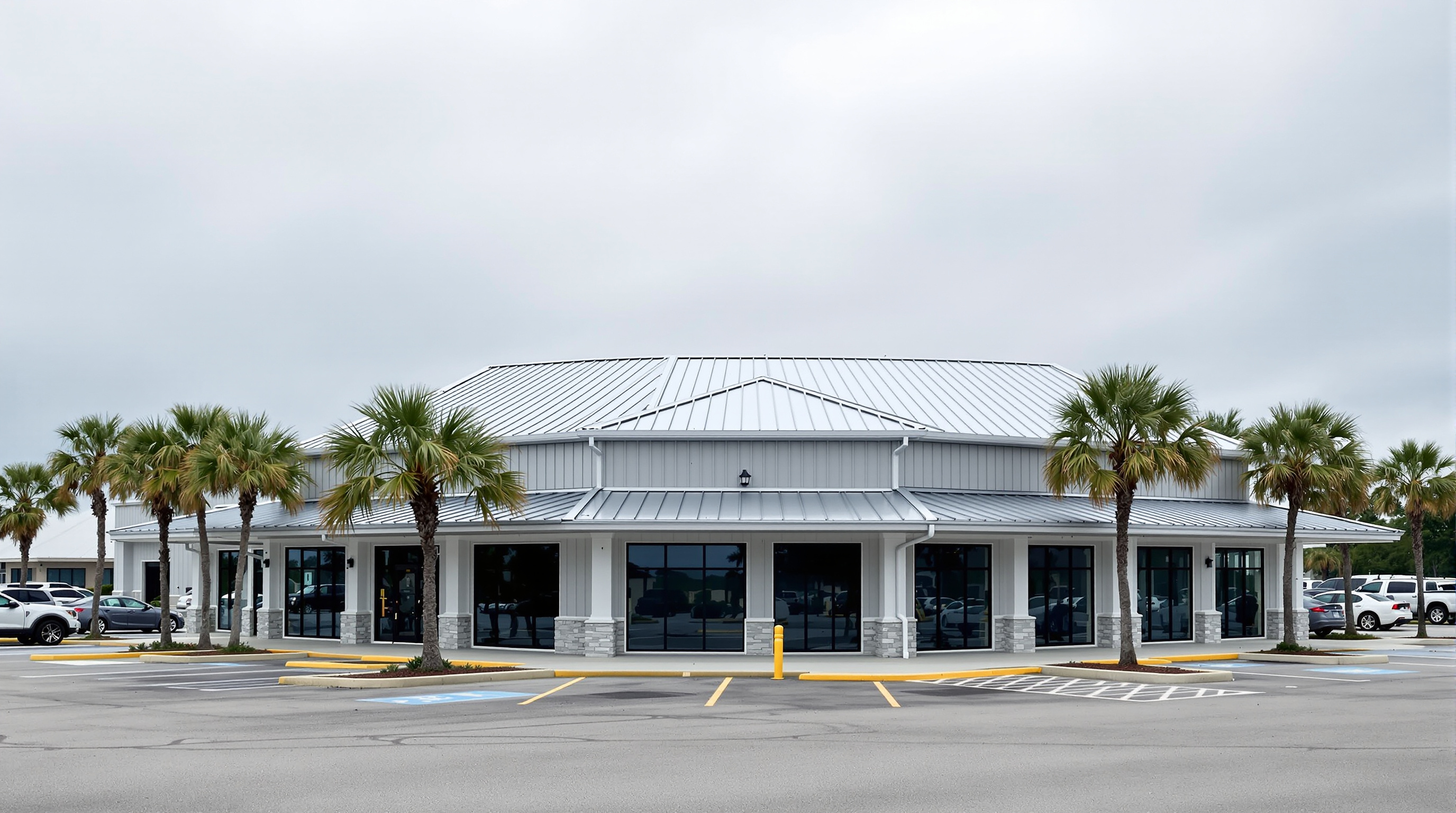
Commercial metal roofing also requires minimal maintenance compared to membrane systems. There are no seams to re-caulk, no adhesive joints to reseal, and no membrane surface that UV degrades over time. The primary maintenance needs are keeping drainage clear and inspecting penetration flashings every 5–7 years. The maintenance program cost differential between metal and membrane over 40 years is substantial. Our roofers can walk you through the total-cost comparison for your specific building during a free roof inspection.
Standing Seam and Structural Metal Systems for Alabama Commercial Buildings
Standing Seam — Commercial Architectural
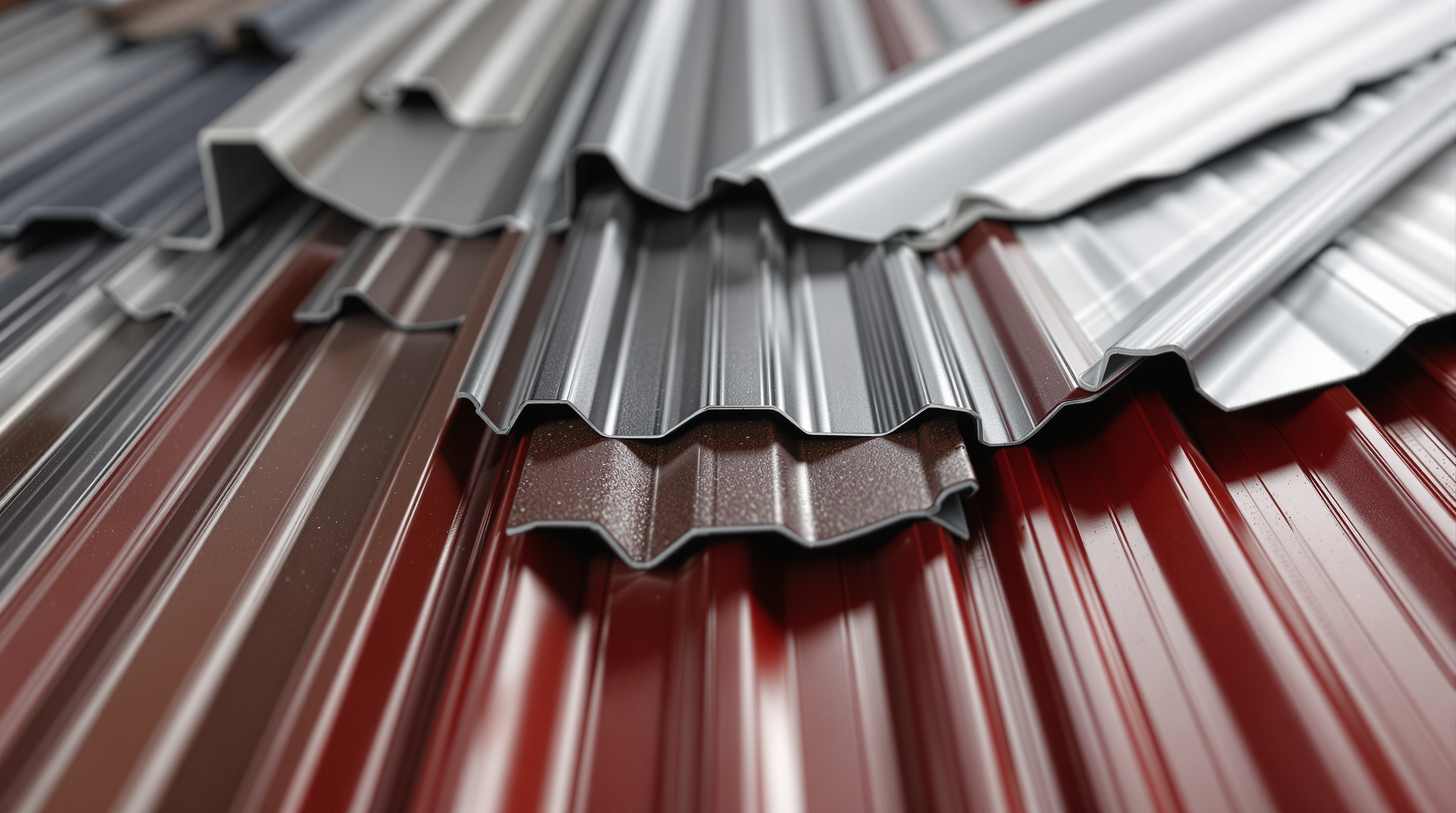
Concealed-fastener standing seam is the correct specification for commercial buildings where aesthetics, long service life, and maximum wind resistance are priorities. Available in 12"–18" panel widths with snap-lock or mechanically seamed profiles. Finishes in 40+ standard PVDF colors. For coastal commercial properties, Galvalume Plus with PVDF coating handles salt air environments appropriately. Aluminum is the specification for extreme coastal exposure — waterfront commercial and hospitality properties within direct salt spray distance.
Structural R-panel and exposed-fastener systems are appropriate for commercial buildings where aesthetics are secondary to cost — warehouses, distribution centers, agricultural commercial buildings, and secondary structures. Lower installed cost ($8.00–$12.00/sq ft vs. $12.00–$18.00 for standing seam) with a shorter service life (20–30 years vs. 35–50) due to fastener weathering. In Gulf Coast wind zones, exposed-fastener systems require careful fastener specification and installation quality — the screw holes are the system's vulnerability, and thermal cycling in our climate accelerates washer degradation.
Retrofit Metal Over Existing Roof
Commercial metal can be installed over existing low-slope membrane systems in specific circumstances, creating a new roof structure without full tear-off. This requires a structural assessment to confirm the existing deck and framing can support the additional metal structure, which typically involves custom sub-framing. When feasible, retrofit metal over existing roof avoids tear-off cost and the business disruption of a full replacement. As a full-service roofing company offering comprehensive commercial roofing services, we assess retrofit feasibility during the initial project consultation. Our roofing contractors evaluate structural capacity before recommending this approach.
- Standing seam concealed-fastener
- Structural R-panel exposed-fastener
- Galvalume Plus with PVDF coating
- Aluminum for direct salt exposure
- 40+ PVDF color options
- Retrofit over existing membrane
- UL 90 wind uplift rated
- Minimal maintenance requirements
Engineering Commercial Metal Roofing for 140–160 mph Gulf Coast Winds
Mobile County and Baldwin County's ASCE 7 Wind Zone III designation (140–160 mph design wind speeds) requires specific engineering for commercial metal systems. Standing seam clip systems must be selected and installed to achieve the required UL or FM uplift rating for the building location and height. We don't use generic clip systems with generic installation — every commercial metal project gets a wind uplift calculation that specifies the clip type, spacing, and attachment to the structural deck.
Ridge and hip details on commercial metal require specific attention for Gulf Coast wind performance. Ridge cap failure is the most common failure point on metal roofing in hurricane events — ridge caps take direct wind load and must be fastened and sealed to the same standard as field panels. We use concealed-fastener ridge caps where the panel profile allows it, and mechanically locked profiles where not. Every detail is installed to the manufacturer's hurricane-zone specification.
Commercial Metal Roof Installation Process
Commercial metal roofing installation is more engineered and less forgiving than membrane systems. Panel dimensions, clip placement, thermal expansion allowances, and fastening patterns are all calculated before installation begins — and every calculation is specific to your building's location in Mobile or Baldwin County's wind zone.
- 1
Structural Assessment and Engineering
We evaluate the existing roof structure for load capacity — commercial metal weighs 1.0-1.5 lbs/sq ft for steel standing seam and 0.5-0.7 lbs/sq ft for aluminum, which is lighter than most membrane assemblies but requires different structural support for clip attachment. Wind uplift engineering determines clip type, spacing, and attachment to the structural deck. Panel lengths, seam profiles, and thermal expansion calculations are completed before material is ordered. For retrofit installations over existing membrane roofs, a structural engineer's assessment of the existing framing is required.
- 2
Substrate Preparation and Underlayment
Existing roofing is removed where applicable. Structural deck repairs are completed — purlins, joists, and nailers that have deteriorated are replaced. High-temperature underlayment rated for metal roof thermal cycling is installed (standard asphalt felt is not appropriate under metal in our climate). Insulation is installed per the building's thermal requirements, with vapor barrier placement calculated for Gulf Coast humidity levels to prevent condensation between the insulation and metal panels.
- 3
Panel and Clip Installation
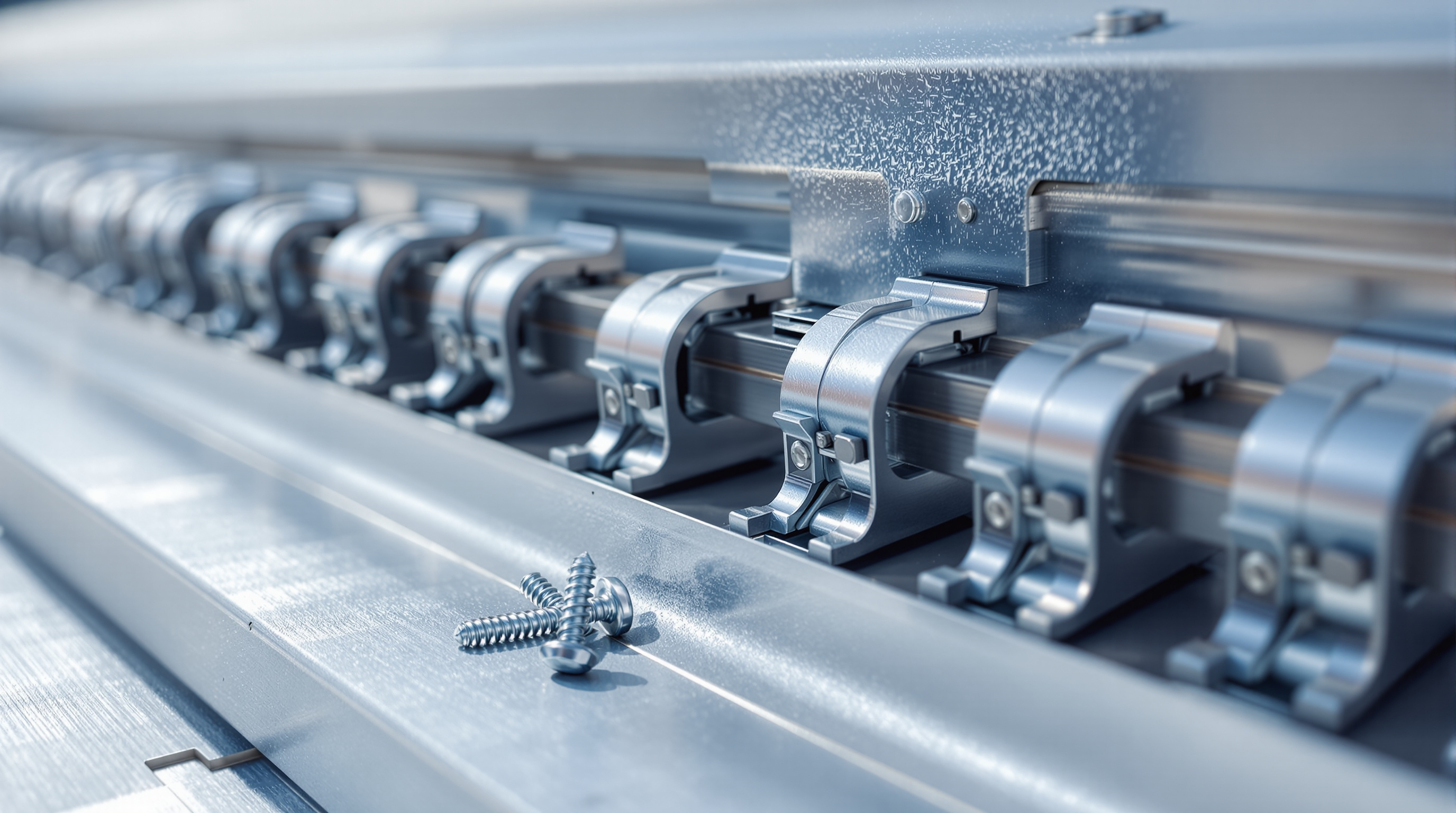
Standing seam clips are attached to the structural deck at the engineered spacing — tighter at perimeters and corners, standard in the field, per the wind uplift calculation. Panels are set into clips and seamed (snap-lock or mechanically seamed, depending on the profile specification). Each panel is allowed proper thermal expansion clearance — a 40-foot panel in Gulf Coast temperature swings can expand and contract nearly half an inch between summer roof temperatures and winter lows. Clips that allow panel movement while maintaining waterproofing are what distinguish proper commercial metal installation from residential approaches.
- 4
Flashing, Trim, and Penetration Details
Ridge caps, hip caps, valley panels, eave trim, rake trim, and all transition flashings are installed with concealed fasteners where the profile allows. Every penetration — HVAC curbs, plumbing vents, exhaust stacks — receives a custom-fabricated metal flashing boot with sealant backup appropriate for metal's thermal movement. Parapet transitions and wall flashings are counter-flashed with matching material. Gutters and downspouts are sized for Gulf Coast rainfall intensity — not national average calculations.
- 5
Inspection, Touch-Up, and Warranty Documentation
Every seam, clip, and fastener is inspected for proper engagement. Any scratches or marks from installation are touched up with manufacturer-matched paint to prevent corrosion initiation points. The completed system is photographed and documented. Manufacturer paint and substrate warranties (typically 35-40 years on PVDF-coated Galvalume) are registered. You receive warranty documentation plus a recommended maintenance schedule specific to your building's coastal exposure level.
Maintenance Requirements for Commercial Metal Roofs
Commercial metal roofing requires less maintenance than membrane systems, but it's not zero maintenance — especially on the Gulf Coast. The primary maintenance drivers are drainage, penetration sealant, and coating condition. A standing seam metal roof that receives a basic annual inspection and biannual gutter cleaning will reach its full 35-50 year service life. A neglected metal roof that develops a clogged valley or corroded penetration flashing will create interior damage that's expensive to trace and repair.
Salt air is the most significant environmental factor for commercial metal roofs in our market. Properties in Baldwin County from Daphne south through Gulf Shores operate in a persistent salt air environment that accelerates metal corrosion at cut edges, fastener heads (on exposed-fastener systems), and any location where the factory paint or coating has been scratched or compromised. Standard Galvalume with PVDF coating handles moderate salt exposure well — the coating system is rated for 35-40 years in most coastal environments. But cut edges, drilled holes, and installation scratches that expose raw metal create corrosion initiation points that progress faster in salt air than the coating spec suggests.
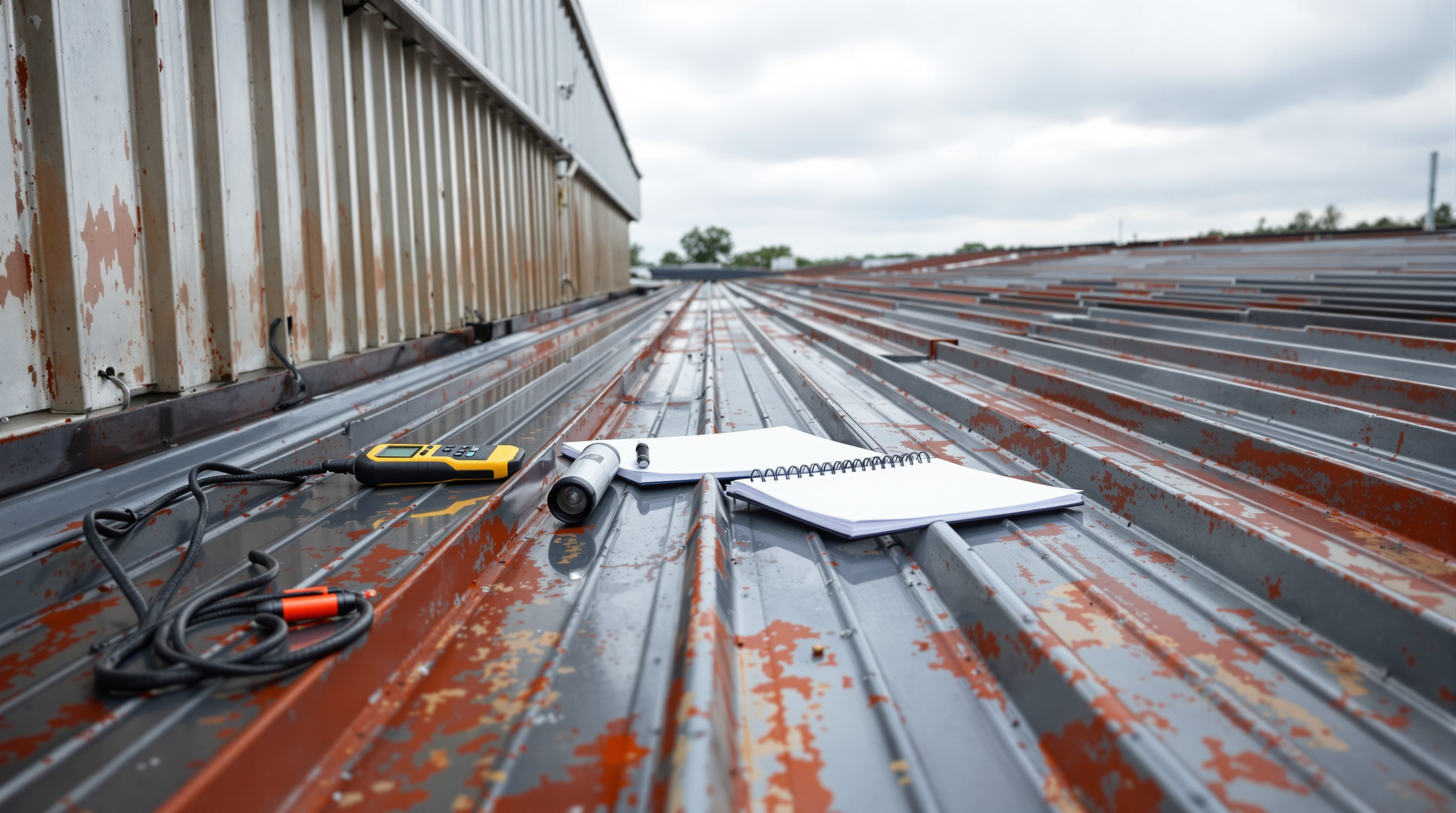
Re-coating schedules depend on your building's specific coastal exposure. A commercial metal roof in downtown Mobile — 30+ miles from the coast — may not need re-coating for 25-30 years. The same system in Orange Beach or Gulf Shores, exposed to direct salt spray, should have a coating evaluation at the 15-year mark and re-coating at 20-25 years. Properties on waterfront lots with direct salt spray exposure may need earlier attention at cut edges and trim pieces. We include coastal exposure classification in every commercial metal roof maintenance recommendation so you know what to expect before the first panel goes up.
Exposed-fastener commercial systems (R-panel, corrugated) require more frequent maintenance than standing seam. Every screw penetration is a potential water entry and corrosion point. The neoprene washers under each screw head degrade in Gulf Coast UV and thermal cycling — typically showing compression set and cracking at 12-15 years. A 10,000 sq ft R-panel roof with 1,500+ exposed fasteners needs washer-by-washer inspection and replacement of degraded washers before they allow water entry. This is the maintenance burden that standing seam's concealed-fastener design eliminates entirely.
Commercial Metal Roofing Questions from Mobile and Baldwin County Property Owners
Commercial standing seam metal installed: $12.00–$18.00 per square foot. Structural/exposed-fastener metal: $8.00–$12.00 per square foot. The standing seam premium reflects the concealed-fastener system, longer service life, and higher wind rating. On a 20,000 sq ft building, standing seam runs $240,000–$360,000. The total-cost-of-ownership over 40 years typically favors metal when compared to two membrane replacement cycles plus maintenance.
Commercial standing seam metal: 35–50 years with minimal maintenance. The service life is primarily limited by the paint system — PVDF-coated Galvalume retains film integrity for 40+ years in Gulf Coast UV conditions. Structural/exposed-fastener systems: 20–30 years due to fastener washer weathering. Aluminum standing seam has no corrosion ceiling — installations routinely exceed 50 years in coastal environments.
Yes — when engineered and installed correctly. Post-hurricane assessments after Sally and Katrina showed commercial standing seam buildings with proper concealed-fastener systems and wind-rated ridge details sustaining significantly less roof damage than comparable membrane-roofed buildings in the same storm impact areas. The clip system's ability to accommodate panel movement under load — while maintaining waterproofing — is what distinguishes metal's hurricane performance from membrane systems.
In some cases, yes. Retrofit metal over existing membrane involves installing a sub-framing system that creates a new pitched roof plane over the existing flat roof, then attaching standing seam to the sub-framing. Feasibility depends on structural capacity of the existing deck and framing to support the additional load. When feasible, retrofit avoids full tear-off and business disruption. We assess structural feasibility as part of the initial commercial consultation at no charge.
Get Your Free Roof Inspection
We'll assess your roof's condition and provide a detailed report — no cost, no obligation.
- Thorough roof inspection
- Detailed written report
- Same-day scheduling available
- Licensed & insured across Mobile & Baldwin County
What's Going On With Your Roof?
Free inspections • Same-day response • No obligation
No obligation · Licensed & insured · Same-day response